Raspberry Iced Tea
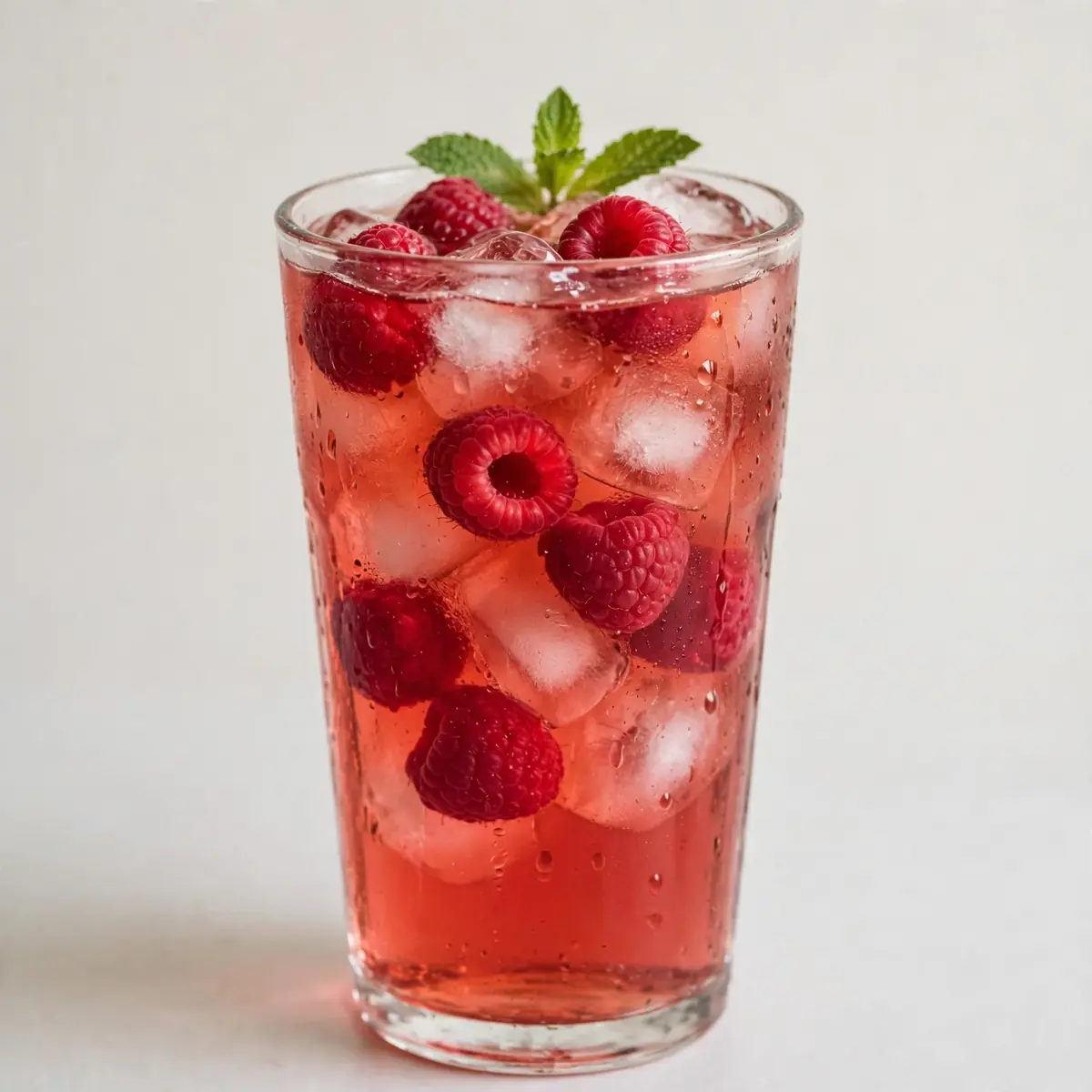
I’ve spent years perfecting a raspberry iced tea that stops dinner guests mid-sentence — not because it’s complicated, but because the small, deliberate details make it taste like it was crafted in a professional kitchen. This isn’t just a jug of tea; it’s a centrepiece, a conversation starter, and the sort of drink that makes people ask for the recipe before they’ve finished their first glass.
Recipe Overview
- Preparation Time: 15 minutes
- Steeping & Infusing Time: 1 hour 10 minutes
- Chilling Time: 2 hours
- Total Time: 3 hours 25 minutes
- Servings: 8 generous glasses
- Difficulty: Easy
Why You’ll Love This Raspberry Iced Tea
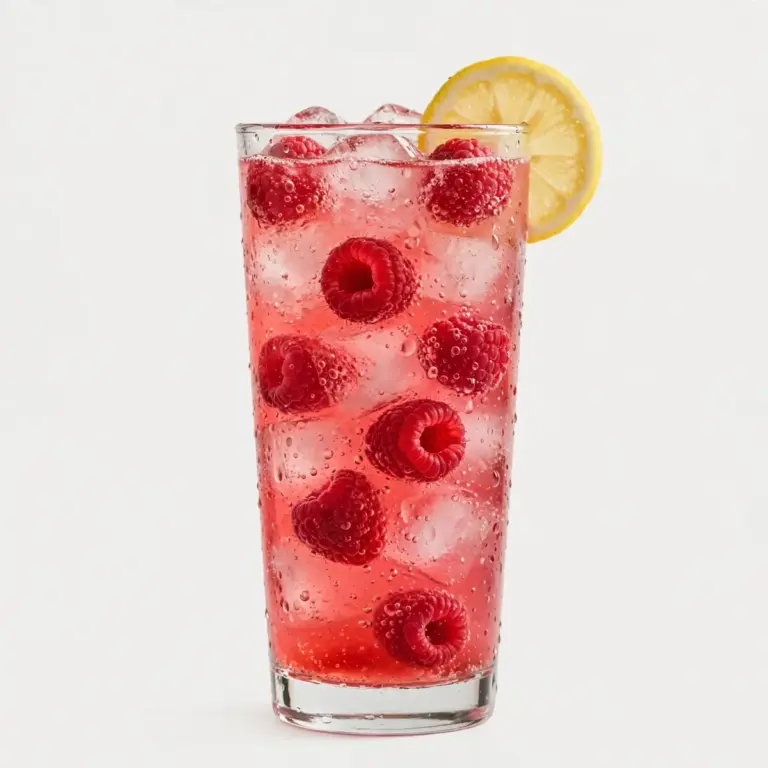
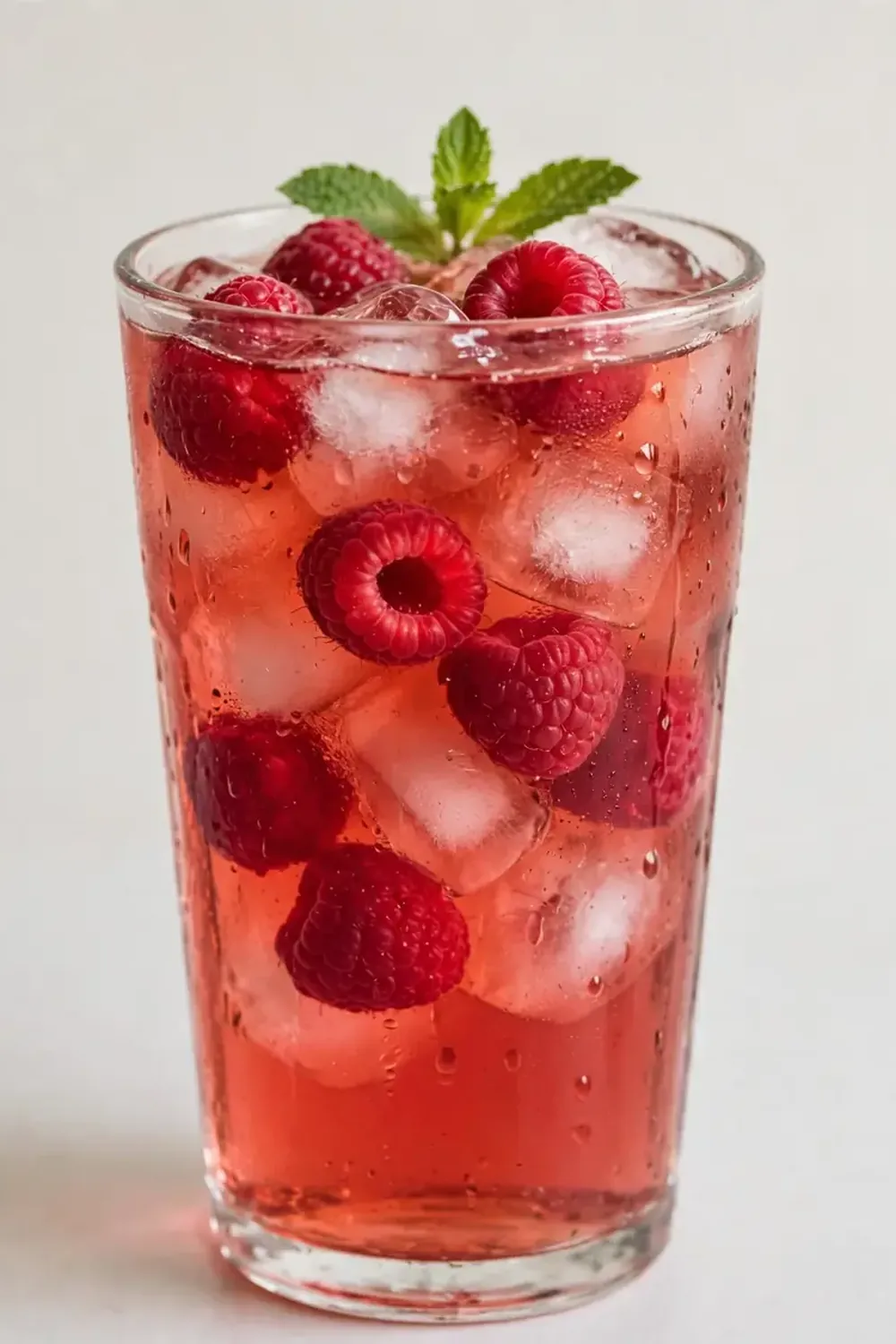
- Restaurant-quality presentation: The deep ruby hue and clear ice cubes make it look stunning in any glass, elevating your dining table instantly.
- Bold, natural fruit flavour: We use fresh raspberries and a touch of lemon, avoiding artificial syrups so the taste is bright and authentic.
- Perfectly balanced sweetness: The tartness of the berries and lemon cuts through the gentle sweetness, creating a sophisticated, non-cloying finish.
- Make-ahead magic: This tea actually improves after a few hours in the fridge, meaning you can prepare it entirely before your guests arrive and focus on other dishes.
- Impressive without the fuss: Despite its elegant appearance, the technique is straightforward — it’s all about the small, thoughtful touches I’ll walk you through.
Ingredients You’ll Need
- 2 litres of cold, filtered water
- 6 high-quality black tea bags (I use Yorkshire Tea or a similar strong breakfast blend)
- 250g fresh raspberries, plus 125g extra for the garnish
- 100g caster sugar (adjust to taste, but this gives a lovely balance)
- 1 large lemon, unwaxed
- 12-16 fresh mint leaves, plus extra sprigs for serving
- A pinch of fine sea salt
- Ice cubes (preferably large, clear cubes for serving)
Tip: Using fresh raspberries rather than frozen makes a noticeable difference in the clarity and brightness of the tea. Frozen berries tend to break down into a cloudier liquid, which muddles the beautiful colour.
How to Make Raspberry Iced Tea
- Prepare the raspberry syrup base. Place 250g of the fresh raspberries in a small saucepan along with the caster sugar, the pinch of sea salt, and 120ml of the cold water. Gently mash the raspberries with the back of a fork to release their juices. Set the pan over a medium heat and bring it to a gentle simmer. You’ll notice the mixture turn a vibrant, almost neon red, and the berries will soften completely — this takes about 5 minutes. Once the sugar has dissolved and the liquid looks glossy, remove it from the heat and let it sit for 10 minutes. The smell at this point is intensely fruity and sweet.
- Strain the syrup. Pour the raspberry mixture through a fine-mesh sieve set over a heatproof jug or bowl. Use the back of a spoon to press firmly on the solids, extracting every last drop of that gorgeous syrup. You should be left with about 120ml of a beautifully clear, jewel-toned liquid. Discard the seeds and pulp. This step is crucial for a smooth, elegant finish — no one wants seeds in their teeth.
- Steep the tea. Bring the remaining 1.88 litres of water to a rolling boil in a large kettle or saucepan. Pour the boiling water into a large heatproof jug or teapot. Add the tea bags and let them steep for exactly 7 minutes. Don’t rush this; the water should turn a deep, rich amber. After 7 minutes, lift the tea bags out — do not squeeze them, as squeezing releases bitter tannins. The tea should smell robust and aromatic, with a slight astringency that will be balanced by the fruit.
- Infuse the lemon and mint. While the tea is still hot, use a vegetable peeler to remove three long strips of lemon zest (avoid the white pith, which is bitter). Add the zest strips and the fresh mint leaves directly into the hot tea. Let this steep for another 15 minutes. The kitchen will smell wonderfully fresh and herbaceous. The mint should soften and release its oils, while the lemon zest adds a bright, citrusy note that cuts through the tea’s depth.
- Combine and chill. Remove the lemon zest and mint leaves from the tea with a slotted spoon. Pour the raspberry syrup into the tea and stir gently but thoroughly. The colour will shift from amber to a stunning, translucent ruby. Place the jug in the refrigerator and chill for at least 2 hours, or until completely cold. The tea will become clearer as it chills.
- Prepare the garnish. While the tea chills, prepare your serving glasses. Slice the zested lemon into thin, elegant rounds. Pick the extra 125g of raspberries, ensuring they are dry and perfect. Fill each glass with large, clear ice cubes — the bigger the cubes, the slower they melt, and the less they dilute your beautiful tea.
- Serve with flair. Pour the chilled tea over the ice, filling each glass three-quarters full. Slide a lemon wheel onto the rim of each glass, then drop a small cluster of fresh raspberries and a sprig of mint into the liquid. The raspberries will float, creating a stunning visual. Serve immediately and watch your guests’ eyes light up.
Tips From My Kitchen
- Use filtered water: Tap water can contain chlorine or other minerals that impart a flat or metallic taste to the tea. Filtered water allows the delicate flavours of the raspberries and tea leaves to shine. I taste a noticeable difference every time I use it.
- Don’t oversleep the tea: I’ve done it — left the bags in for 15 minutes while I answered the door. The result was a bitter, cloudy brew that no amount of sugar could fix. The 7-minute mark is your sweet spot for a smooth, full-bodied base that complements the fruit without dominating it.
- Salt is not a mistake: A tiny pinch of sea salt in the syrup might sound odd, but it’s a trick I learned from professional pastry chefs. Salt enhances the sweetness of the raspberries and rounds out the acidity, making the flavour taste more three-dimensional. You won’t taste the salt itself.
- Make clear ice for wow factor: For a truly restaurant-quality look, use large, clear ice cubes. You can achieve this by boiling the water twice before freezing it, or by using a directional ice tray that freezes from the top down. Cloudy ice from your standard tray looks fine for everyday, but clear ice elevates the entire presentation.
- Chill your glasses: Pop your serving glasses in the fridge for 30 minutes before you pour. This keeps the drink colder for longer and prevents the ice from melting too quickly. It’s a tiny step that makes a significant difference to the first sip.
Equipment You’ll Need
- Large saucepan
- Fine-mesh sieve
- Large heatproof jug or teapot (at least 2.5 litres capacity)
- Vegetable peeler
- Wooden spoon or spatula for mashing
- Large serving jug
- Eight serving glasses
Common Mistakes to Avoid
- Overcrowding the pan: When making the raspberry syrup, don’t be tempted to double the batch in a pan that’s too small. The berries need room to simmer evenly and release their juice without scorching on the bottom. Use a pan that allows the berries to sit in a single, even layer.
- Wrong temperature: Don’t pour the raspberry syrup into the tea while the tea is still boiling hot, and don’t add it when the tea is completely cold. The ideal time is after the tea has steeped with the mint and lemon for 15 minutes — it’s still warm enough to integrate the syrup smoothly, but not so hot that it cooks the fruit flavour away.
- Skipping the rest time: I know you’re eager to drink it, but serving the tea immediately after mixing will result in a disjointed flavour. The raspberry syrup needs at least an hour in the fridge to marry with the tea. The drink tastes infinitely better after a proper chill. My kids absolutely devour this every time I make it, and they always wait for the chilled version.
Delicious Variations to Try
- Spicy Version: Add a 2.5cm piece of fresh ginger, thinly sliced, to the hot tea along with the lemon zest and mint. The gentle heat from the ginger provides a wonderful counterpoint to the sweet raspberries and makes the drink feel more complex.
- Herbal Infusion: Swap the black tea for a high-quality hibiscus or rooibos tea. Hibiscus will amplify the red colour and add a tart, cranberry-like note, while rooibos offers a naturally sweet, nutty base that is lovely with the fruit.
- Different Berry Blend: Replace half the raspberries with fresh blackberries or strawberries. The blackberries will add a deeper, earthier sweetness, while strawberries contribute a classic summer flavour. Adjust the sugar slightly depending on the sweetness of your chosen berries.
What to Serve With Raspberry Iced Tea
- A light, summery salad with grilled chicken or prawns and a citrus vinaigrette.
- Afternoon tea treats like delicate finger sandwiches and scones with clotted cream.
- A simple dessert, such as a slice of Classic Key Lime Pie — the tartness of the pie echoes the lemon in the tea beautifully.
- For a richer finish, serve alongside a plate of Chewy Funfetti Cookies; the sweet, buttery cookies contrast perfectly with the tea’s brightness.
Still hungry for ideas? You might also love Refreshing Iced Hibiscus Tea from our sister kitchens.
Frequently Asked Questions
Raspberry Iced Tea
Ingredients
Method
- Prepare the raspberry syrup base. Place 250g of the fresh raspberries in a small saucepan along with the caster sugar, the pinch of sea salt, and 120ml of the cold water. Gently mash the raspberries with the back of a fork to release their juices. Set the pan over a medium heat and bring it to a gentle simmer. You’ll notice the mixture turn a vibrant, almost neon red, and the berries will soften completely — this takes about 5 minutes. Once the sugar has dissolved and the liquid looks glossy, remove it from the heat and let it sit for 10 minutes. The smell at this point is intensely fruity and sweet.
- Strain the syrup. Pour the raspberry mixture through a fine-mesh sieve set over a heatproof jug or bowl. Use the back of a spoon to press firmly on the solids, extracting every last drop of that gorgeous syrup. You should be left with about 120ml of a beautifully clear, jewel-toned liquid. Discard the seeds and pulp. This step is crucial for a smooth, elegant finish — no one wants seeds in their teeth.
- Steep the tea. Bring the remaining 1.88 litres of water to a rolling boil in a large kettle or saucepan. Pour the boiling water into a large heatproof jug or teapot. Add the tea bags and let them steep for exactly 7 minutes. Don't rush this; the water should turn a deep, rich amber. After 7 minutes, lift the tea bags out — do not squeeze them, as squeezing releases bitter tannins. The tea should smell robust and aromatic, with a slight astringency that will be balanced by the fruit.
- Infuse the lemon and mint. While the tea is still hot, use a vegetable peeler to remove three long strips of lemon zest (avoid the white pith, which is bitter). Add the zest strips and the fresh mint leaves directly into the hot tea. Let this steep for another 15 minutes. The kitchen will smell wonderfully fresh and herbaceous. The mint should soften and release its oils, while the lemon zest adds a bright, citrusy note that cuts through the tea’s depth.
- Combine and chill. Remove the lemon zest and mint leaves from the tea with a slotted spoon. Pour the raspberry syrup into the tea and stir gently but thoroughly. The colour will shift from amber to a stunning, translucent ruby. Place the jug in the refrigerator and chill for at least 2 hours, or until completely cold. The tea will become clearer as it chills.
- Prepare the garnish. While the tea chills, prepare your serving glasses. Slice the zested lemon into thin, elegant rounds. Pick the extra 125g of raspberries, ensuring they are dry and perfect. Fill each glass with large, clear ice cubes — the bigger the cubes, the slower they melt, and the less they dilute your beautiful tea.
- Serve with flair. Pour the chilled tea over the ice, filling each glass three-quarters full. Slide a lemon wheel onto the rim of each glass, then drop a small cluster of fresh raspberries and a sprig of mint into the liquid. The raspberries will float, creating a stunning visual. Serve immediately and watch your guests’ eyes light up.
Notes
I make this at least once a week – it’s become a family favourite, especially during the warmer months. The best part of serving this iced tea is watching the initial sip — that moment of surprise when someone realises how much depth a simple drink can have. It’s proof that the most impressive dishes (and drinks) don’t come from complicated techniques, but from giving each ingredient the respect it deserves. Have you tried this recipe? I’d love to hear how your guests reacted in the comments below.