Ingredients
Method
- Prepare the biscuit crust. Blitz the digestive biscuits in a food processor until they resemble fine, sandy crumbs — you should see no large chunks. Stir in the melted butter and caster sugar until the mixture feels like wet sand and clumps together when pressed between your fingers. Tip into a 23cm loose-bottomed tart tin and press firmly into the base and up the sides using the flat bottom of a glass. Bake at 160°C (fan) for 10 minutes, until the crust smells toasty and the edges look a shade darker. Set aside to cool completely; you’ll hear a faint crackle as it settles.
- Make the lime filling. In a large bowl, whisk the egg yolks and lime zest together for about 1 minute, until the mixture turns a pale, creamy yellow and looks thick enough to ribbon off the whisk. Pour in the condensed milk and whisk until fully incorporated — the mixture should be smooth, glossy, and slightly thicker than single cream. Slowly add the lime juice while whisking constantly. You’ll notice the filling immediately thicken and become velvety; this is the acid reacting with the condensed milk to create a silky custard.
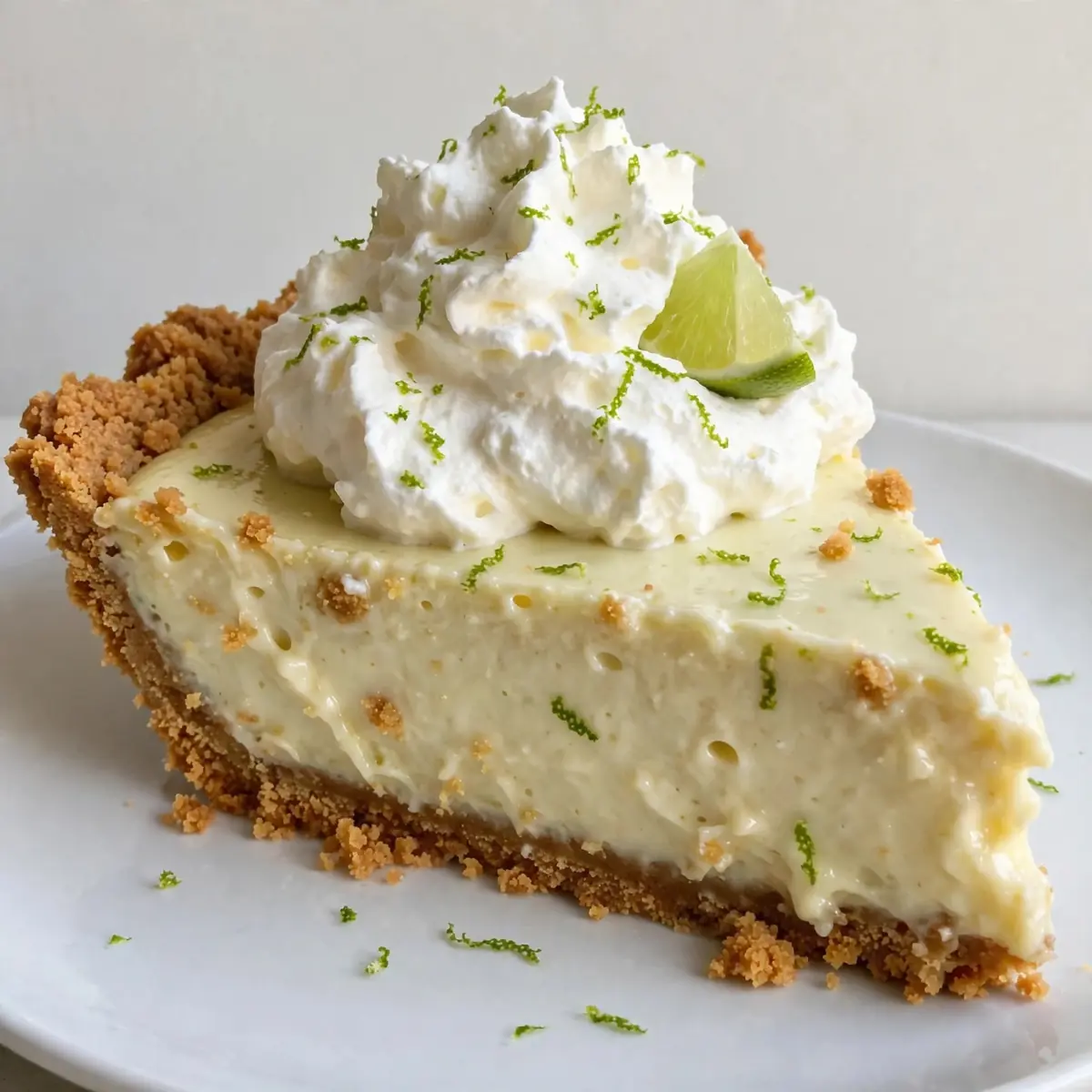
- Fill the crust. Pour the lime filling into the cooled biscuit crust. Use a small offset spatula to spread it evenly, ensuring it reaches every edge. The filling should sit just below the rim of the crust. Tap the tin gently on the countertop to release any air bubbles — you’ll see tiny bursts rise to the surface and disappear.
- Bake the filling. Place the pie in the oven at 160°C (fan) and bake for 15 minutes. The edges of the filling will appear set and slightly puffed, while the centre will still wobble like jelly when you gently shake the tin. The surface should be matte, not shiny. Remove from the oven and let it cool on a wire rack for 20 minutes, then refrigerate uncovered for at least 3 hours, or until the filling is completely firm to the touch.
- Whip the meringue. Just before you’re ready to serve, place the egg whites and cream of tartar in a very clean, grease-free bowl. Whisk on medium speed until soft peaks form — when you lift the whisk, the peaks should droop gently. Increase speed to high and add the caster sugar, a tablespoon at a time, whisking for about 30 seconds between each addition. Continue until the meringue is stiff, glossy, and holds a firm peak that stands upright without slumping. The mixture should feel silky, not grainy, when rubbed between your fingers.
- Toast the meringue. Spoon the meringue onto the chilled pie, starting at the edges and working inward to create swoops and peaks with the back of a spoon. Use a kitchen blowtorch to toast the meringue in gentle, sweeping motions — watch as the tips turn golden brown and develop a faint caramelised aroma. Alternatively, place the pie under a hot grill for 60–90 seconds, rotating once, but keep a close eye; you want bronzed peaks, not burnt ones.
- Finish and serve. Immediately scatter a pinch of flaky sea salt over the meringue. Arrange thin lime slices and a few mint sprigs around the edge for a restaurant-style finish. Let the pie rest at room temperature for 5 minutes before slicing — this prevents the meringue from cracking when you cut. Use a sharp, wet knife for clean slices, wiping the blade between cuts.
Notes
For best results, use fresh Key limes if available. The pie needs at least 3 hours of chilling after baking. To prevent a soggy crust, ensure the crust is completely cool before adding the filling. The meringue should be applied and toasted just before serving.