Classic New York Baked Cheesecake
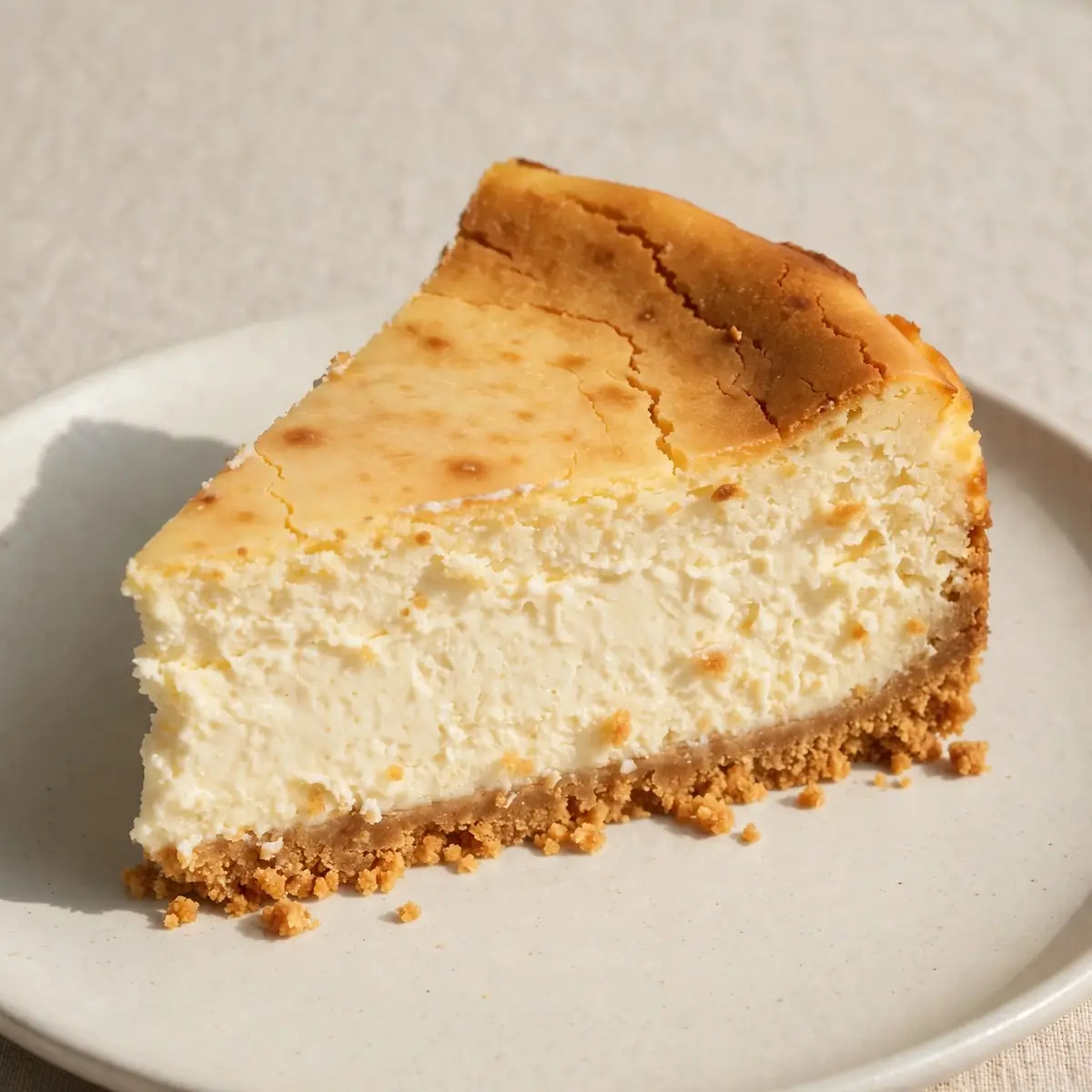
There’s a quiet drama to a tall, pristine cheesecake placed on a table: the way it holds its shape, the faint crackle of the top, the promise of that dense, velvety interior. I’ve spent years refining the art of presenting this classic New York baked cheesecake as a centrepiece that feels plucked from a high-end restaurant menu, and today I’m sharing every detail that makes it an unforgettable showstopper for your guests.
Recipe Overview
- Prep Time: 25 minutes
- Cook Time: 1 hour 10 minutes
- Total Time: 6 hours 35 minutes (including cooling and chilling)
- Servings: 12 generous slices
- Difficulty: Medium
Why You’ll Love This Classic New York Baked Cheesecake
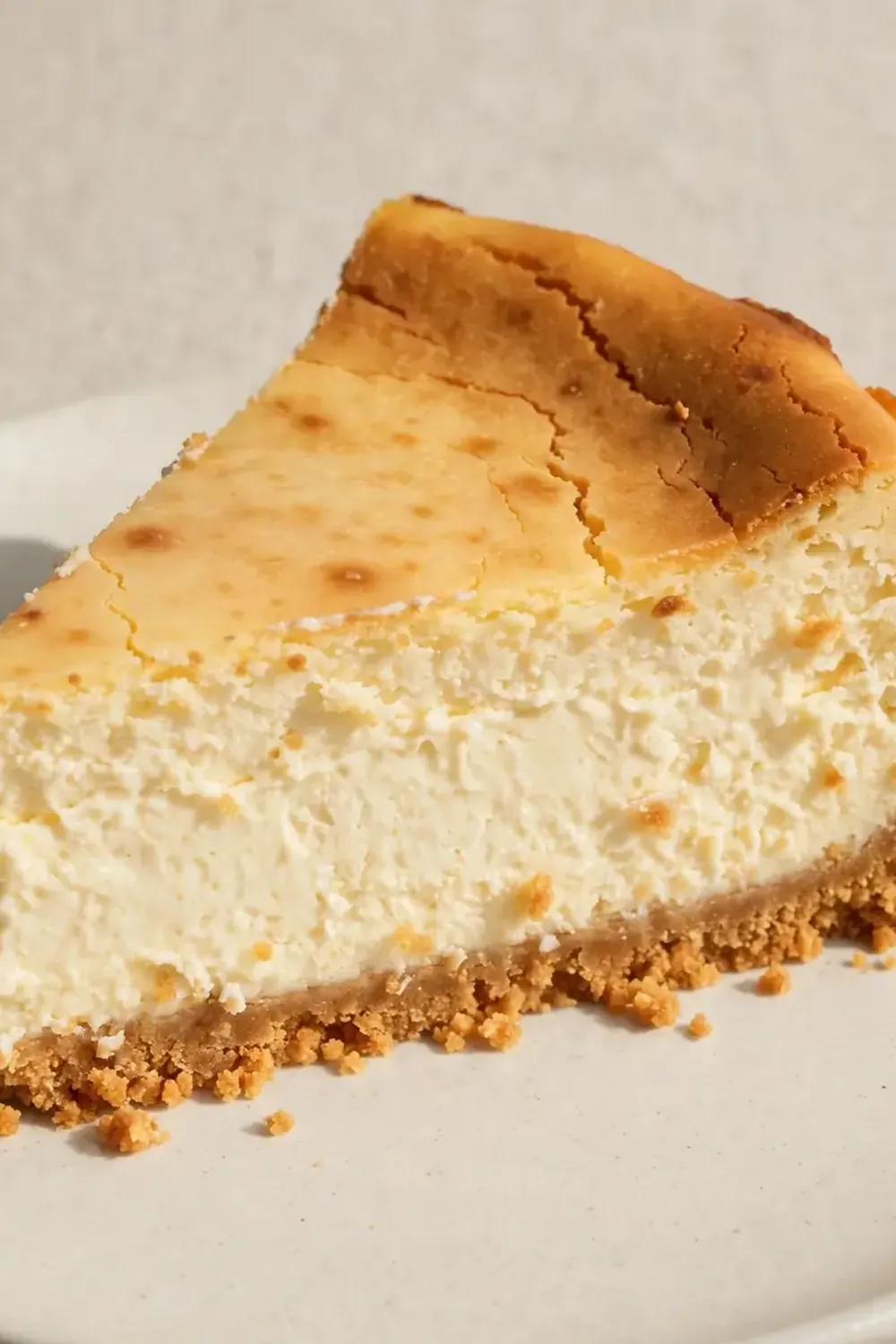
- Dense yet silky texture: The cream cheese mixture bakes into a firm, sliceable interior that melts on the tongue, a hallmark of the New York style.
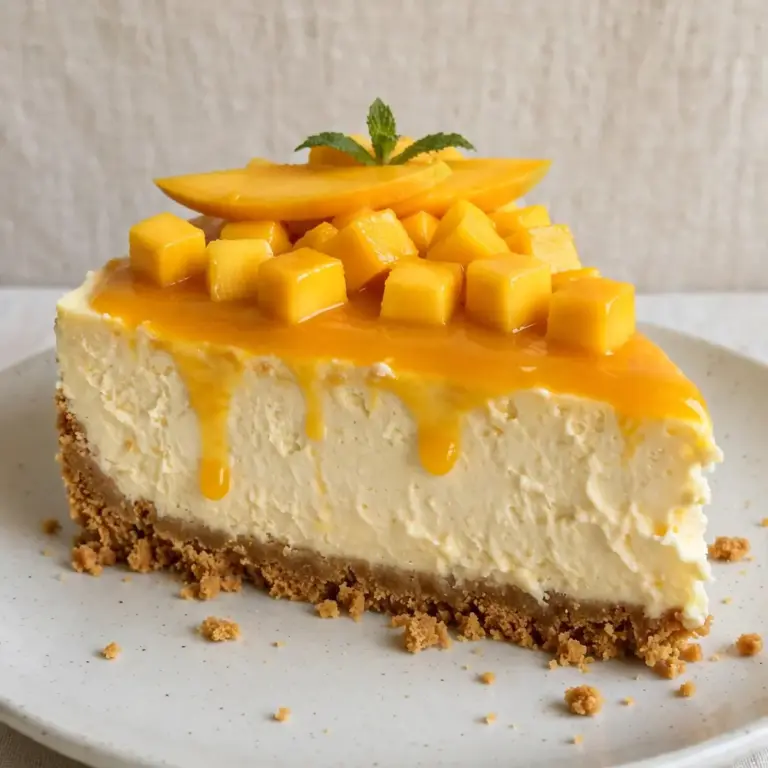
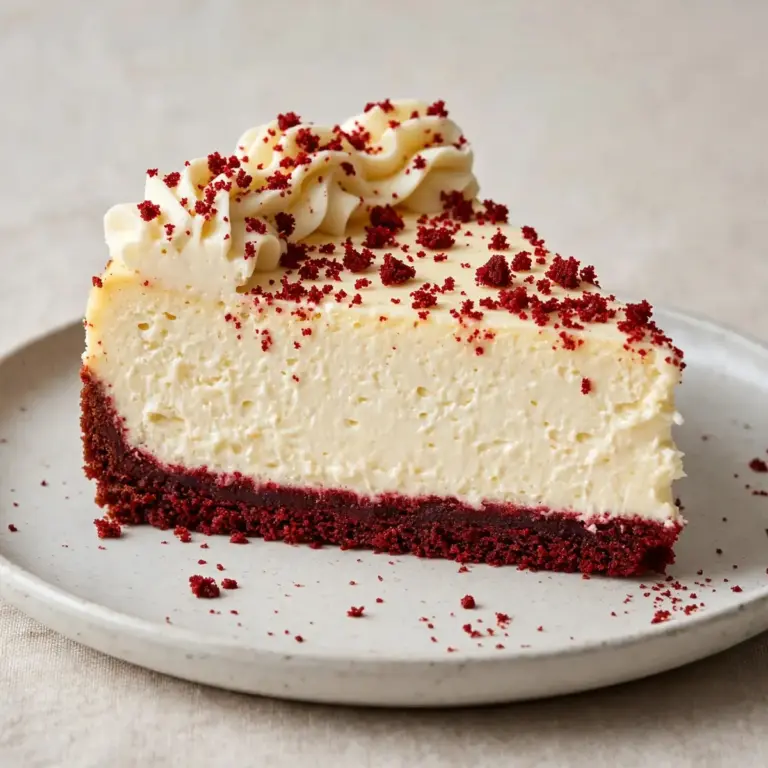
- Restaurant-worthy presentation: A flawless, pale gold top with a subtle dome that looks stunning when garnished with berries and a dusting of icing sugar.
- Rich, tangy flavour profile: The slight acidity from the cream cheese balances the sweetness, making each bite feel sophisticated rather than cloying.
- Make-ahead convenience: This cheesecake actually improves after a full night in the fridge, meaning you can prepare it entirely before your dinner party.
- Customisable base: The buttery biscuit crust provides a sturdy foundation that holds up beautifully to any topping or sauce you choose.
Ingredients You’ll Need
- 200g digestive biscuits
- 90g unsalted butter, melted
- 900g full-fat cream cheese, at room temperature
- 200g caster sugar
- 1 tablespoon plain flour
- 1 teaspoon vanilla extract
- 1 tablespoon lemon juice, freshly squeezed
- 4 large eggs, at room temperature
- 2 large egg yolks, at room temperature
- 200ml double cream
- Pinch of fine sea salt
Tip: Ensure all dairy ingredients are at room temperature for at least one hour before starting. Cold cream cheese creates a lumpy batter that leads to a cracked, uneven surface.
How to Make Classic New York Baked Cheesecake
- Prepare the crust: Place the digestive biscuits in a sealed bag and crush them with a rolling pin until they resemble fine, sandy crumbs. Mix with the melted butter until the texture feels like damp sand and holds together when pressed between your fingers. Press this mixture firmly into the base of a 23cm springform tin lined with parchment paper, using the flat bottom of a glass to create an even, compact layer.
- Bake the base: Bake the crust at 160°C (fan-assisted) for 10 minutes. You’ll know it’s ready when the aroma of toasted butter fills your kitchen and the edges have turned a shade darker, like golden honey. Set aside to cool completely.
- Make the filling: In a stand mixer fitted with the paddle attachment, beat the cream cheese on medium speed for about 2 minutes until it looks smooth and glossy, with no visible lumps. Add the sugar and flour, then beat for another minute until the mixture feels light and airy when you lift the paddle.
- Incorporate the flavourings: Add the vanilla extract, lemon juice, and salt, mixing on low speed until just combined. The batter should smell fragrant and bright, with the lemon cutting through the richness.
- Add the eggs gradually: With the mixer on low, add the whole eggs one at a time, followed by the egg yolks. Scrape down the bowl after each addition. The batter should look silky and uniform, with a pale ivory colour and a consistency similar to thick double cream.
- Fold in the cream: Gently fold the double cream into the batter using a rubber spatula. Stop as soon as you see no white streaks — overmixing at this stage introduces air bubbles that will cause cracks during baking.
- Pour and water bath: Pour the filling over the cooled crust. Wrap the outside of the springform tin tightly with two layers of foil, then place it in a deep roasting tray. Pour boiling water into the tray until it reaches halfway up the sides of the tin. The steam will keep the cheesecake moist and prevent the top from splitting.
- Bake low and slow: Bake at 150°C (fan-assisted) for 55 to 65 minutes. The cheesecake is done when the edges are set and slightly puffed, but the centre still wobbles like jelly when you gently shake the tin. The surface should be a pale, matte gold with no browning.
- Cool in the oven: Turn the oven off and leave the door slightly ajar using a wooden spoon. Let the cheesecake rest inside for one full hour. This gentle cooling prevents the top from collapsing and cracking.
- Chill overnight: Remove the cheesecake from the water bath, peel off the foil, and transfer to a wire cooling rack until it reaches room temperature. Then cover loosely with cling film and refrigerate for at least 6 hours, but ideally overnight. The texture will firm up beautifully, and the flavours will deepen.
Tips From My Kitchen
- Use a water bath every time: After testing this recipe five times, I finally got it just right by never skipping the water bath. The steam creates a humid environment inside the oven, which stops the top from drying out and cracking. It also encourages the centre to cook evenly without overbaking the edges.
- Don’t overbeat the eggs: I stumbled upon this combination by accident, and it’s been a hit ever since: beating the eggs on low speed and stopping the moment they disappear into the batter. Overbeating whips air into the mixture, which expands during baking and then collapses, leaving unsightly fissures across the surface.
- Room temperature is non-negotiable: Cold cream cheese and eggs create a lumpy batter that no amount of mixing can fully smooth out without overworking it. Leave everything on the counter for at least two hours before starting. The batter should feel silky between your fingers, not grainy.
- Slice with a hot, wet knife: For those pristine, restaurant-style slices, run a long, thin knife under hot water, dry it quickly, and make one clean cut through the cheesecake. Wipe the blade clean and reheat between every slice. This prevents the filling from dragging or tearing.
- Let it rest after baking: The hour-long rest in the turned-off oven is the secret to a level top. Rapid temperature changes create stress cracks, so easing the cheesecake down from hot to warm to cool ensures a flawless, smooth surface every time.
Equipment You’ll Need
- Stand mixer or hand mixer
- 23cm springform tin
- Deep roasting tray (for the water bath)
- Parchment paper
- Aluminium foil (heavy-duty)
- Rolling pin or food processor (for crushing biscuits)
- Rubber spatula
- Wire cooling rack
Common Mistakes to Avoid
- Overcrowding the pan: Pouring too much batter into the tin leaves no room for the cheesecake to dome slightly during baking, which can cause it to overflow or crack. Stick to a 23cm tin and fill it no more than three-quarters full.
- Wrong temperature: Baking at a higher temperature than 150°C forces the edges to set too quickly while the centre remains liquid. This uneven cooking creates a sunken, cracked middle. Always use an oven thermometer to verify your oven’s actual temperature.
- Skipping the rest time: Removing the cheesecake from the oven immediately after baking shocks the delicate structure, causing the top to split. The gradual cooling in the oven allows the proteins to relax and set without trauma.
Delicious Variations to Try
- Spicy Version: Add 1 teaspoon of ground ginger and ½ teaspoon of cinnamon to the biscuit crust for a warming kick. For the filling, grate in the zest of one orange and add a pinch of cayenne pepper — the heat will linger subtly after the sweetness fades.
- Vegetarian/Vegan Option: Substitute the cream cheese with a high-quality plant-based cream cheese and use coconut cream instead of double cream. Replace the eggs with 120ml of aquafaba (chickpea brine) whipped to soft peaks. The texture will be slightly lighter but still decadent.
- Different Protein: For a savoury twist that works as an appetiser, omit the sugar and vanilla, increase the salt to 1 teaspoon, and fold in 100g of finely grated mature cheddar cheese and 2 tablespoons of chives into the filling. Serve with crackers and a dollop of chutney.
What to Serve With Classic New York Baked Cheesecake
- A bright berry compote made by simmering mixed berries with a splash of lemon juice and a spoonful of sugar, then cooling it to room temperature.
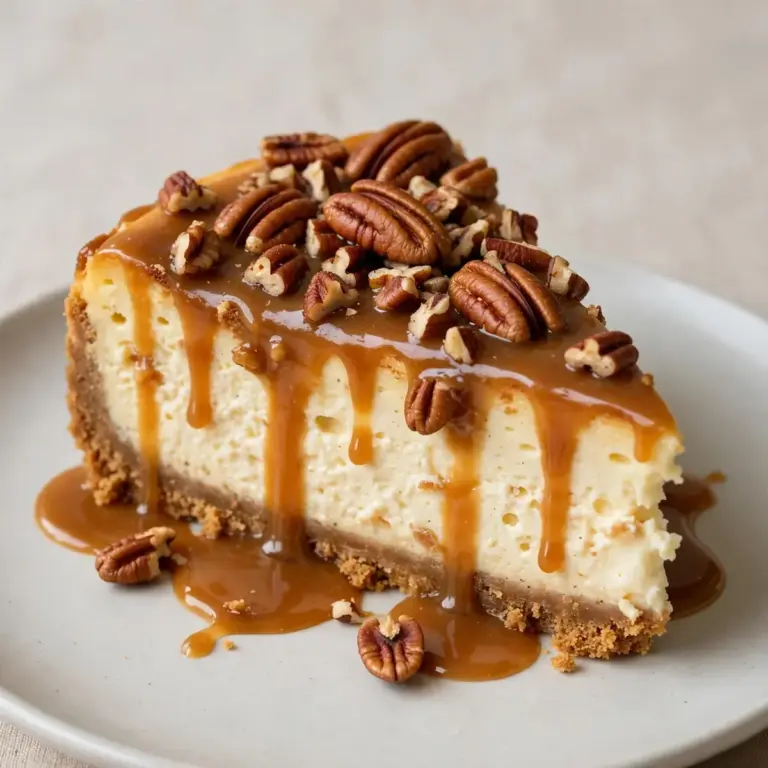
- A drizzle of salted caramel sauce, warmed slightly so it pours like ribbon over each slice.
- A dollop of lightly whipped cream with a hint of vanilla, served alongside fresh raspberries and mint leaves for colour.
- A dusting of icing sugar and edible flowers for a truly elevated presentation that impresses before the first bite.
Still hungry for ideas? You might also love New York Cheesecake from our sister kitchens.
Frequently Asked Questions
Classic New York Baked Cheesecake
Ingredients
Method
-
Prepare the crust: Place the digestive biscuits in a sealed bag and crush them with a rolling pin until they resemble fine, sandy crumbs. Mix with the melted butter until the texture feels like damp sand and holds together when pressed between your fingers. Press this mixture firmly into the base of a 23cm springform tin lined with parchment paper, using the flat bottom of a glass to create an even, compact layer.
-
Bake the base: Bake the crust at 160°C (fan-assisted) for 10 minutes. You’ll know it’s ready when the aroma of toasted butter fills your kitchen and the edges have turned a shade darker, like golden honey. Set aside to cool completely.
-
Make the filling: In a stand mixer fitted with the paddle attachment, beat the cream cheese on medium speed for about 2 minutes until it looks smooth and glossy, with no visible lumps. Add the sugar and flour, then beat for another minute until the mixture feels light and airy when you lift the paddle.
-
Incorporate the flavourings: Add the vanilla extract, lemon juice, and salt, mixing on low speed until just combined. The batter should smell fragrant and bright, with the lemon cutting through the richness.
-
Add the eggs gradually: With the mixer on low, add the whole eggs one at a time, followed by the egg yolks. Scrape down the bowl after each addition. The batter should look silky and uniform, with a pale ivory colour and a consistency similar to thick double cream.
-
Fold in the cream: Gently fold the double cream into the batter using a rubber spatula. Stop as soon as you see no white streaks — overmixing at this stage introduces air bubbles that will cause cracks during baking.
-
Pour and water bath: Pour the filling over the cooled crust. Wrap the outside of the springform tin tightly with two layers of foil, then place it in a deep roasting tray. Pour boiling water into the tray until it reaches halfway up the sides of the tin. The steam will keep the cheesecake moist and prevent the top from splitting.
-
Bake low and slow: Bake at 150°C (fan-assisted) for 55 to 65 minutes. The cheesecake is done when the edges are set and slightly puffed, but the centre still wobbles like jelly when you gently shake the tin. The surface should be a pale, matte gold with no browning.
-
Cool in the oven: Turn the oven off and leave the door slightly ajar using a wooden spoon. Let the cheesecake rest inside for one full hour. This gentle cooling prevents the top from collapsing and cracking.
-
Chill overnight: Remove the cheesecake from the water bath, peel off the foil, and transfer to a wire cooling rack until it reaches room temperature. Then cover loosely with cling film and refrigerate for at least 6 hours, but ideally overnight. The texture will firm up beautifully, and the flavours will deepen.
Notes
Now I’d love to hear how your own dinner party centrepiece turned out. Did you try any of the variations, or did you create a topping that wowed your guests? Drop a comment below and share your experience — your tips might just inspire the next person to perfect their own classic New York baked cheesecake.