Cranberry Orange Muffins
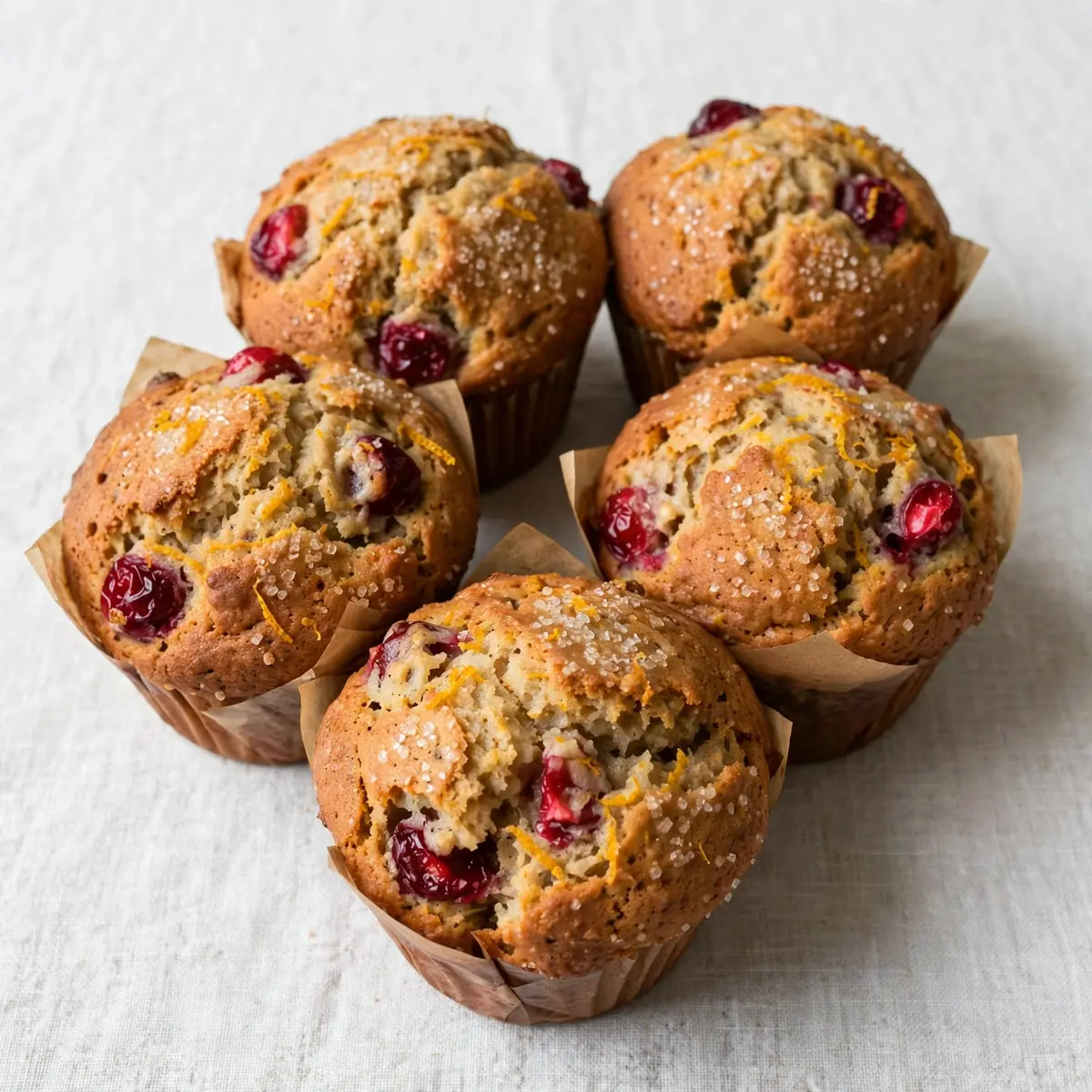
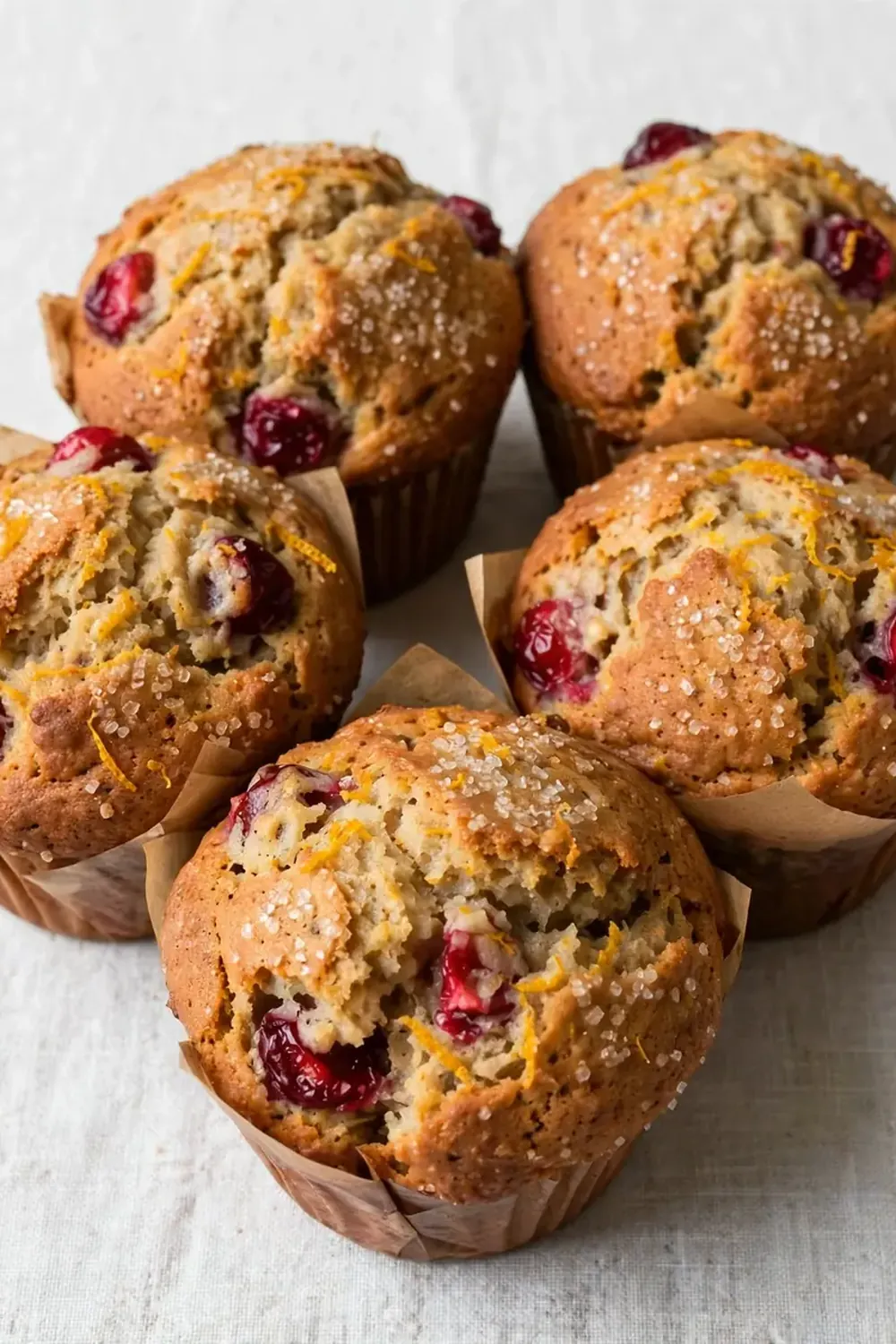
When I set out to create a muffin that could hold its own on a linen-draped table alongside fine china, I knew the humble bakery staple needed a serious upgrade. These Cranberry Orange Muffins are that transformation — a domed, golden-brown jewel with a crackling sugar crust, studded with tart berries and bright citrus, that looks like it was plated in a Michelin-starred kitchen rather than your home oven.
Recipe Overview
- Prep time: 20 minutes
- Cook time: 18–22 minutes
- Total time: 42 minutes
- Servings: 12 large muffins
- Difficulty: Easy
Why You’ll Love This Cranberry Orange Muffins
- Restaurant-worthy presentation: A glittering turbinado sugar top and paper-thin orange zest curls make these look like they cost £8 each at a patisserie.
- Balanced tart-sweet flavour: The sharpness of fresh cranberries cuts through the buttery, vanilla-scented batter, while orange zest lifts everything into something elegant.
- Foolproof domed tops: A specific technique of resting the batter and starting at a high oven temperature guarantees that bakery-style crown every single time.
- Make-ahead magic: These actually improve after a day — the moisture redistributes, the flavours meld, and the texture becomes even more tender.
- Impressive with minimal effort: I’ve been making this for over 8 years, and it never disappoints. The ingredients are pantry staples; the result feels like a special occasion.
Ingredients You’ll Need
- 280g plain flour
- 200g granulated sugar
- 2 teaspoons baking powder
- ½ teaspoon bicarbonate of soda
- ½ teaspoon fine sea salt
- 120ml vegetable oil
- 2 large eggs, room temperature
- 180ml buttermilk, shaken
- 1 teaspoon vanilla extract
- Zest of 2 large oranges (about 2 tablespoons)
- 60ml fresh orange juice (from the zested oranges)
- 200g fresh or frozen cranberries (if frozen, do not thaw)
- 2 tablespoons turbinado or demerara sugar, for sprinkling
Tip: For the most vibrant orange flavour, zest the oranges before juicing them. Use a microplane for fine, fluffy zest that disperses evenly through the batter — avoid the bitter white pith underneath.
How to Make Cranberry Orange Muffins
- Preheat and prepare: Set your oven to 220°C (200°C fan). Line a 12-hole muffin tin with paper cases — use tall, tulip-style cases if you want that professional bakery look. The paper should extend slightly above the tin rim to support a high dome.
- Whisk dry ingredients: In a large bowl, whisk together the flour, granulated sugar, baking powder, bicarbonate of soda and salt until evenly combined. The mixture should look pale and feel light and powdery between your fingers — no clumps of baking powder visible.
- Combine wet ingredients: In a separate jug, whisk the vegetable oil, eggs, buttermilk, vanilla extract, orange zest and orange juice until the mixture is smooth and pale yellow, with tiny flecks of zest suspended throughout. It should smell fragrantly of citrus, not eggy.
- Fold wet into dry: Pour the wet mixture into the dry ingredients. Use a rubber spatula to fold gently — only 10 to 12 strokes. Stop when you see a few streaks of flour remaining; the batter should look shaggy and lumpy, not smooth. Over-mixing here will create tough, dense muffins.
- Add the cranberries: Gently fold in the cranberries with 2 to 3 additional strokes. If using frozen berries, the batter may turn slightly pink around the edges — that’s fine. The berries should be evenly distributed but not crushed; you’ll see bright red jewels peeking through the pale batter.
- Rest the batter: Cover the bowl with a clean tea towel and let it rest at room temperature for exactly 15 minutes. This allows the starches to hydrate and the gluten to relax, creating a more tender crumb and a taller rise. You’ll notice the batter thickens slightly and looks more cohesive.
- Fill and top: Use a large ice cream scoop or two spoons to divide the batter evenly among the 12 cases, filling each to the very top — about ¾ full for standard cases, or almost full for tulip cases. The batter should be mounded slightly above the rim. Sprinkle each generously with turbinado sugar; the coarse crystals should form a visible, glittering crust.
- Bake at high heat: Place the tin in the oven and bake at 220°C for 5 minutes. This initial blast of heat sets the dome. Then, without opening the door, reduce the temperature to 190°C (170°C fan) and bake for another 13–17 minutes. The muffins are done when the tops are deep golden brown, spring back firmly when pressed, and a skewer inserted into the centre (avoiding a berry) comes out clean with just a few moist crumbs. The kitchen will smell of toasted sugar and warm orange.
- Cool properly: Remove the tin from the oven and let it sit on a wire rack for 5 minutes. Then lift each muffin out of the tin and place directly on the rack to cool completely. If you leave them in the tin too long, the steam will make the bottoms soggy and the domes will deflate slightly. The paper cases should peel away cleanly once completely cool.
Tips From My Kitchen
- Rest the batter — it’s non-negotiable: That 15-minute rest is the single most important step for a tall, tender muffin. It allows the flour to fully absorb the liquid, which thickens the batter and prevents it from spreading sideways in the oven. The result is a dramatic vertical rise and a soft, cloud-like interior rather than a flat, dense puck.
- Use buttermilk, not milk: Buttermilk’s acidity reacts with the bicarbonate of soda to produce extra lift, and it tenderises the gluten for a finer crumb. If you don’t have buttermilk, stir 1 tablespoon of lemon juice or white vinegar into 180ml of whole milk and let it sit for 5 minutes until it curdles slightly. It won’t be exactly the same, but it will work.
- Don’t overmix — stop early: The moment you see the last streaks of flour disappear, stop folding. Overmixed muffin batter develops too much gluten, which creates tunnels and a rubbery texture. A few small lumps are your friend; they will bake out into tender pockets.
- Temperature trick for bakery domes: Starting the oven at 220°C for the first 5 minutes shocks the batter into rapid expansion, setting the dome before the structure has time to collapse. Reducing the heat afterwards ensures the centre cooks through without burning the sugar crust. This two-temperature method is the secret professional bakers use.
- Freeze the cranberries if using fresh: If you’re using fresh cranberries, pop them in the freezer for 30 minutes before folding them into the batter. Frozen berries release less juice during baking, which prevents the batter from turning grey around the berries and keeps each cranberry intact as a distinct, tart pop of flavour.
Equipment You’ll Need
- 12-hole muffin tin (non-stick or standard)
- Tall tulip-style paper muffin cases
- Large mixing bowl and medium jug
- Rubber spatula or wooden spoon
- Microplane or fine grater for orange zest
- Large ice cream scoop (for even portioning)
- Wire cooling rack
- Kitchen scale for accurate measuring
Common Mistakes to Avoid
- Overcrowding the pan: Filling the muffin cases too low (half full or less) means the batter spreads sideways rather than rising upward. Fill each case to the brim — the batter should mound above the paper edge. This forces the muffin to rise into a tall, dramatic dome rather than a flat, wide cap.
- Wrong temperature: Baking at a constant low temperature (180°C or below) throughout will produce flat, pale muffins with no dome. The initial 5-minute blast of 220°C is essential for setting the crown. Conversely, baking at high heat the entire time will burn the sugar topping while leaving the centre raw. Use the two-temperature method exactly as written.
- Skipping the rest time: Resting the batter for 15 minutes is not optional. Without this step, the starch granules don’t have time to absorb liquid and swell, resulting in a thinner batter that spreads flat. The rest also allows any tiny air bubbles from mixing to escape, giving you a finer, more even crumb texture.
Delicious Variations to Try
- White Chocolate & Cranberry: Fold 100g of chopped white chocolate into the batter along with the cranberries. The creamy sweetness of the chocolate balances the tart berries beautifully, and the melted pockets create a lovely marbled effect when you bite in.
- Vegan Option: Replace the eggs with 2 flax eggs (2 tablespoons ground flaxseed mixed with 6 tablespoons warm water, left to gel for 10 minutes). Use plant-based milk mixed with 1 tablespoon apple cider vinegar instead of buttermilk, and substitute the oil with melted coconut oil. The texture will be slightly denser but still tender and delicious.
- Gluten-Free Version: Swap the plain flour for a 1:1 gluten-free baking blend that contains xanthan gum. Add 1 extra tablespoon of buttermilk to compensate for the drier gluten-free flour. Bake at the same temperatures but check at the lower end of the time range, as gluten-free batters often bake faster.
What to Serve With Cranberry Orange Muffins
- A dollop of clotted cream or mascarpone, dusted with extra orange zest
- A side of honeyed ricotta for spreading
- Fresh segments of blood orange or grapefruit for a citrusy, colourful plate
- For a dessert course, serve alongside a Rose Lemonade Mocktail — the floral notes play beautifully with the orange
- A simple cup of Earl Grey tea or a flat white coffee to cut the sweetness
Frequently Asked Questions
Cranberry Orange Muffins
Ingredients
Method
- Preheat and prepare: Set your oven to 220°C (200°C fan). Line a 12-hole muffin tin with paper cases — use tall, tulip-style cases if you want that professional bakery look. The paper should extend slightly above the tin rim to support a high dome.
- Whisk dry ingredients: In a large bowl, whisk together the flour, granulated sugar, baking powder, bicarbonate of soda and salt until evenly combined. The mixture should look pale and feel light and powdery between your fingers — no clumps of baking powder visible.
- Combine wet ingredients: In a separate jug, whisk the vegetable oil, eggs, buttermilk, vanilla extract, orange zest and orange juice until the mixture is smooth and pale yellow, with tiny flecks of zest suspended throughout. It should smell fragrantly of citrus, not eggy.
- Fold wet into dry: Pour the wet mixture into the dry ingredients. Use a rubber spatula to fold gently — only 10 to 12 strokes. Stop when you see a few streaks of flour remaining; the batter should look shaggy and lumpy, not smooth. Over-mixing here will create tough, dense muffins.
- Add the cranberries: Gently fold in the cranberries with 2 to 3 additional strokes. If using frozen berries, the batter may turn slightly pink around the edges — that's fine. The berries should be evenly distributed but not crushed; you'll see bright red jewels peeking through the pale batter.
- Rest the batter: Cover the bowl with a clean tea towel and let it rest at room temperature for exactly 15 minutes. This allows the starches to hydrate and the gluten to relax, creating a more tender crumb and a taller rise. You'll notice the batter thickens slightly and looks more cohesive.
- Fill and top: Use a large ice cream scoop or two spoons to divide the batter evenly among the 12 cases, filling each to the very top — about ¾ full for standard cases, or almost full for tulip cases. The batter should be mounded slightly above the rim. Sprinkle each generously with turbinado sugar; the coarse crystals should form a visible, glittering crust.
- Bake at high heat: Place the tin in the oven and bake at 220°C for 5 minutes. This initial blast of heat sets the dome. Then, without opening the door, reduce the temperature to 190°C (170°C fan) and bake for another 13–17 minutes. The muffins are done when the tops are deep golden brown, spring back firmly when pressed, and a skewer inserted into the centre (avoiding a berry) comes out clean with just a few moist crumbs. The kitchen will smell of toasted sugar and warm orange.
- Cool properly: Remove the tin from the oven and let it sit on a wire rack for 5 minutes. Then lift each muffin out of the tin and place directly on the rack to cool completely. If you leave them in the tin too long, the steam will make the bottoms soggy and the domes will deflate slightly. The paper cases should peel away cleanly once completely cool.
Notes
I hope these Cranberry Orange Muffins earn a proud spot on your table, whether you’re hosting a brunch or simply treating yourself to something beautiful. My husband, who’s usually picky, asked for seconds the first time I made them — and he’s been requesting them every autumn since. If you give them a try, I’d love to hear how they turned out for you. Drop a comment below and let me know what small touches you added to make them your own. For another show-stopping sweet treat that looks complex but comes together easily, have a look at my Classic Caramel Pecan Cheesecake — it’s another firm favourite in my kitchen.