Frozen Yogurt Berry Bark
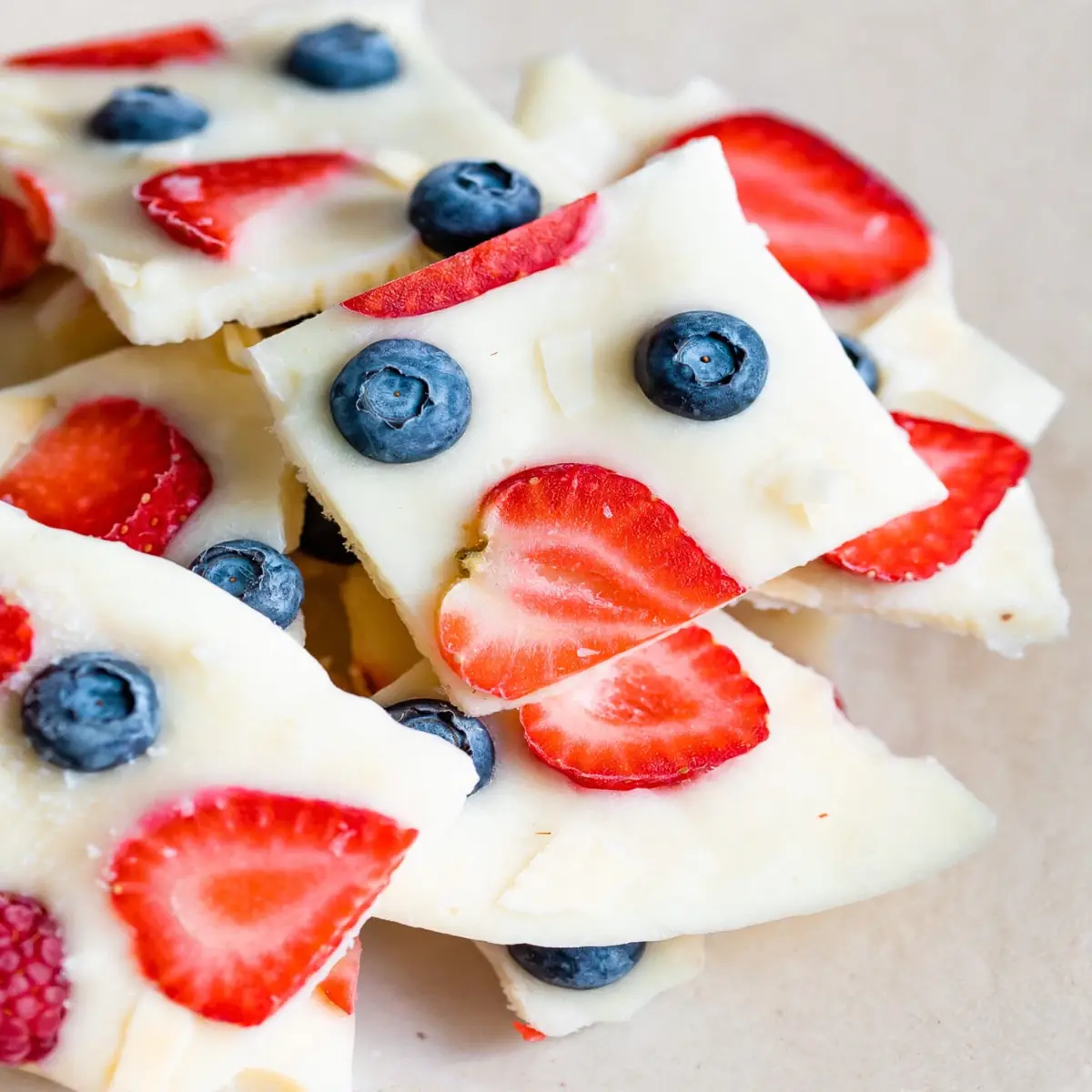
There’s something about a dessert that looks like it was plated by a pastry chef in a Michelin-starred kitchen, yet requires almost no actual cooking, that makes me feel wonderfully clever. I’ve been making this Frozen Yogurt Berry Bark for years, and it never fails to stop conversation when I bring it out at the end of a dinner party. Friends always ask me for this recipe after trying it, amazed that something so visually arresting could be so straightforward to assemble.
Recipe Overview
- Prep Time: 15 minutes
- Freeze Time: 4 hours (minimum)
- Total Time: 4 hours 15 minutes
- Servings: 8–10 generous pieces
- Difficulty: Easy
Why You’ll Love This Frozen Yogurt Berry Bark
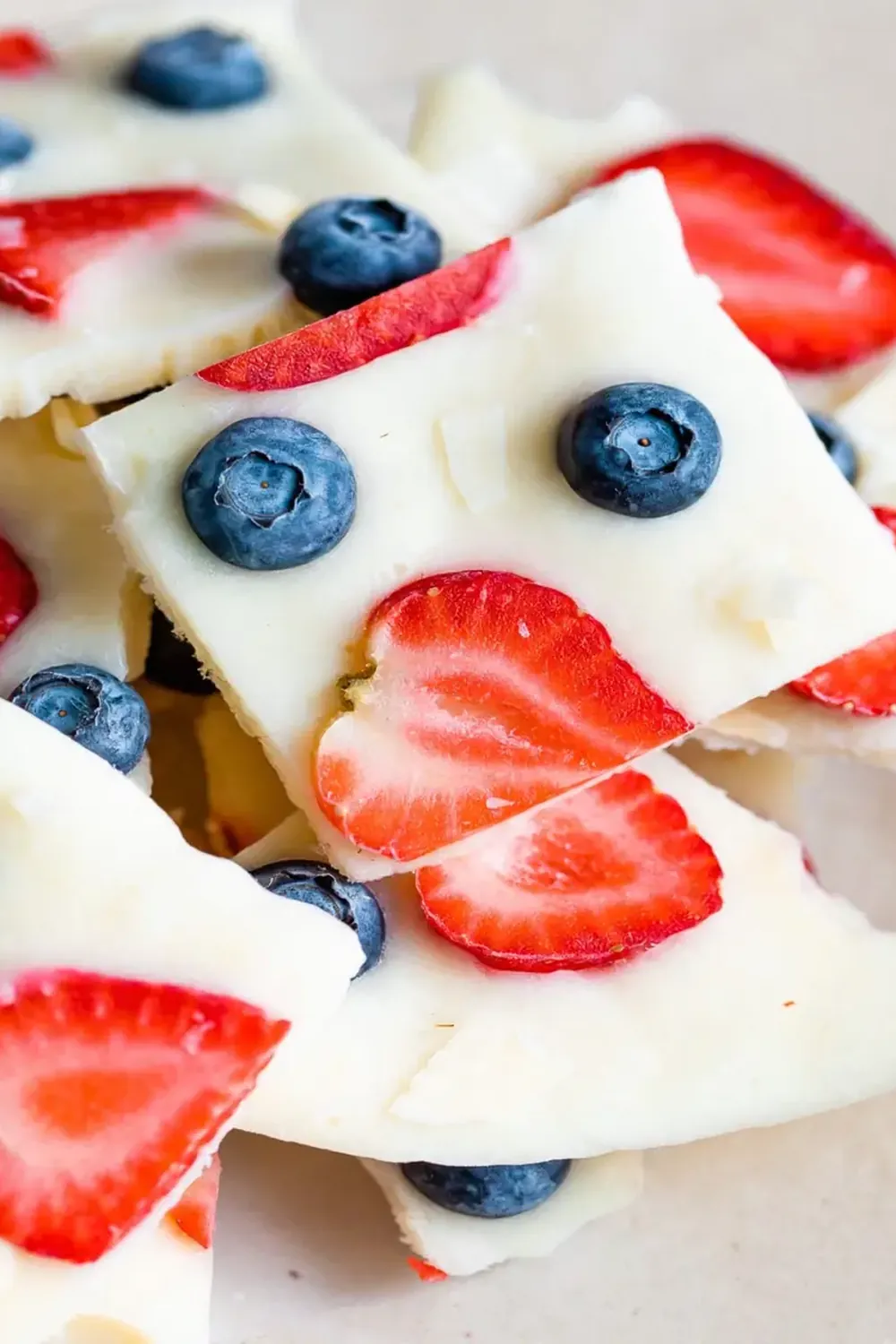
- Restaurant-level plating with zero stress: The glossy swirls of yoghurt and bright jewel-toned berries create a marbled effect that looks deliberate and artful, as if you spent hours piping and arranging.
- Customisable in seconds: Swap the berries for sliced stone fruit, add a drizzle of tahini, or scatter over crushed pistachios — the base technique stays the same, but the flavour profile changes completely.
- Make-ahead magic for entertaining: This bark lives happily in the freezer for up to two weeks, which means you can prepare it days before your guests arrive and simply break it into shards when you’re ready to serve.
- Surprisingly elegant texture: The yoghurt freezes into a creamy, scoopable consistency rather than a solid block of ice, thanks to the fat content and the addition of a little honey or maple syrup.
- Naturally lighter finish: After a rich main course, this bark feels refreshing and bright on the palate — a sophisticated way to end a meal without weighing anyone down.
Ingredients You’ll Need
- 600g full-fat Greek yoghurt
- 80ml honey (or maple syrup for a vegan option)
- 1 tsp vanilla bean paste (or extract)
- 100g fresh strawberries, hulled and thinly sliced lengthways
- 80g fresh blueberries
- 80g fresh raspberries
- 60g fresh blackberries, halved if large
- 30g shelled pistachios, roughly chopped
- 1 tbsp freeze-dried raspberry powder (optional, for colour)
- Flaky sea salt, for finishing
- Edible rose petals or micro flowers (optional, for presentation)
Tip: Full-fat yoghurt is non-negotiable here — low-fat or non-dairy alternatives contain more water and will freeze into icy crystals rather than the creamy, luxurious texture we’re after. I learned this the hard way when I tried to save a few calories and ended up with a bark that shattered like glass.
How to Make Frozen Yogurt Berry Bark
- Prepare your tray. Line a large baking sheet (roughly 30x40cm) with baking paper, making sure the paper comes up the sides by at least 3cm. Press the paper firmly into the corners so it lies flat — any creases will imprint onto your bark and disrupt the smooth surface.
- Whisk the yoghurt base. In a medium mixing bowl, combine the Greek yoghurt, honey, and vanilla bean paste. Whisk vigorously for about 30 seconds until the mixture is completely smooth and glossy, with no streaks of honey remaining. The colour should be an even, pale cream. If you’re using the freeze-dried raspberry powder, whisk it in now — the yoghurt will turn a soft blush pink.
- Spread the base evenly. Pour the yoghurt mixture onto the prepared tray. Using an offset spatula or the back of a spoon, spread it into an even rectangle about 1cm thick. Take your time here — uneven thickness means some pieces will freeze harder than others. The surface should look smooth and slightly reflective, like satin.
- Arrange the berries. Begin with the strawberry slices, laying them in gentle overlapping rows across the surface of the yoghurt. Press them in very lightly — just enough that they settle into the surface without sinking completely. Dot the blueberries, raspberries, and blackberries in clusters around the strawberries, leaving small gaps of pink yoghurt visible between the fruit. You want to create a scattered, organic pattern, not a crowded one.
- Add the final touches. Scatter the chopped pistachios evenly over the entire surface. Sprinkle a tiny pinch of flaky sea salt across the bark — this will heighten the sweetness and add a professional contrast. If using edible flowers, place them gently on top now.
- Freeze undisturbed. Place the tray on a level surface in your freezer and freeze for at least 4 hours, or overnight for best results. The bark is ready when it feels completely solid to the touch and lifts away from the paper cleanly. You’ll know it’s done because the yoghurt will have a matte, frozen appearance rather than a wet, shiny one.
- Break and serve. Remove the bark from the freezer and let it sit at room temperature for exactly 2 minutes — this brief rest prevents the shards from shattering into crumbs. Lift the baking paper onto a cutting board and gently break the bark into irregular pieces using your hands or the heel of a knife. Aim for shards about 8–10cm across. Arrange them upright on a chilled plate or board, leaning them against one another like shattered glass, and serve immediately.
Tips From My Kitchen
- Chill your tray first. Pop the baking sheet into the freezer for 15 minutes before you spread the yoghurt. A cold tray helps the base set faster when it hits the freezer, which prevents the berries from sinking too deep into the mixture. The berries should sit on the surface, not swim in it.
- Slice berries with precision. For strawberries, slice them lengthways from tip to stem about 3mm thick — too thin and they’ll shrivel as they freeze; too thick and they’ll be difficult to bite through. Uniform slices also create a more professional, deliberate look when arranged on the bark.
- Use a bench scraper for clean edges. Before freezing, run a bench scraper or the back of a knife along the edges of the yoghurt rectangle to tidy up any ragged borders. This small step makes the final shards look intentionally shaped rather than messy, which matters when you’re plating for guests.
- Double up on texture. In addition to the fresh berries, I like to scatter a few teaspoons of freeze-dried raspberry or strawberry pieces over the top just before freezing. They add a crunchy, airy contrast to the creamy yoghurt and soft fresh fruit — a textural surprise that feels very restaurant-style.
- Wrap it properly for storage. If you’re making this more than a day ahead, once the bark is fully frozen, transfer the pieces to an airtight container with a sheet of baking paper between each layer. This prevents the shards from sticking together and stops them from absorbing any freezer odours. Properly stored, the bark stays fresh and vibrant for up to two weeks.
- Warm your knife for clean breaks. If you prefer neat, geometric pieces rather than rustic shards, run a large chef’s knife under hot water, dry it thoroughly, and slice through the frozen bark. The warmth of the blade glides through the yoghurt without cracking it, giving you clean edges that look stunning stacked on a plate.
Equipment You’ll Need
- Large baking sheet (30x40cm or similar)
- Baking paper
- Medium mixing bowl
- Whisk
- Offset spatula or large spoon
- Sharp knife and cutting board
- Bench scraper (optional, but helpful)
- Airtight container (for storage)
Common Mistakes to Avoid
- Using wet fruit: If your berries have been washed and not fully dried, the excess water will seep into the yoghurt as it freezes, creating icy patches that ruin the creamy texture. Pat every berry dry with kitchen paper before slicing or placing them on the bark — this single step makes a noticeable difference in the final mouthfeel.
- Skipping the salt: It might seem counterintuitive to add salt to a sweet frozen dessert, but flaky sea salt is what transforms this bark from a simple snack into something that tastes carefully balanced. The salt crystals amplify the sweetness of the honey and the tartness of the berries, and they provide a tiny, satisfying crunch that contrasts with the soft yoghurt.
- Freezing on an uneven surface: If your freezer shelf isn’t level, the yoghurt will pool to one side, creating a bark that’s thick in some spots and paper-thin in others. Before pouring the mixture, check your tray with a spirit level, or simply place a folded tea towel under the low side to level it out. Even thickness ensures even freezing and consistent texture in every piece.
- Overcrowding the fruit: It’s tempting to cover every inch of the yoghurt with berries, but resist that urge. Leaving visible patches of pink yoghurt between the fruit clusters creates visual contrast and makes the bark look more artful. Think of it as negative space on a plate — it’s just as important as the elements you add.
- Skipping the rest time before serving: Taking the bark straight from the freezer to the table results in shards that are too hard to bite comfortably and that can feel unpleasantly cold on the teeth. Letting it sit at room temperature for two minutes softens the yoghurt just enough to make it yielding, while keeping the berries pleasantly firm and cold.
What to Serve With Frozen Yogurt Berry Bark
- A small bowl of warm berry compote, spooned alongside the shards for dipping
- A dollop of lightly whipped cream or clotted cream on the side
- A glass of sparkling water with a splash of pomegranate juice and a sprig of mint
- Thin, crisp biscotti or brandy snaps for added crunch
- A dusting of icing sugar and a few fresh mint leaves scattered over the serving board
Still hungry for ideas? You might also love Greek Yogurt Bark With Berries from our sister kitchens.
Frequently Asked Questions
Frozen Yogurt Berry Bark
Ingredients
Method
- Prepare your tray. Line a large baking sheet (roughly 30x40cm) with baking paper, making sure the paper comes up the sides by at least 3cm. Press the paper firmly into the corners so it lies flat — any creases will imprint onto your bark and disrupt the smooth surface.
- Whisk the yoghurt base. In a medium mixing bowl, combine the Greek yoghurt, honey, and vanilla bean paste. Whisk vigorously for about 30 seconds until the mixture is completely smooth and glossy, with no streaks of honey remaining. The colour should be an even, pale cream. If you’re using the freeze-dried raspberry powder, whisk it in now — the yoghurt will turn a soft blush pink.
- Spread the base evenly. Pour the yoghurt mixture onto the prepared tray. Using an offset spatula or the back of a spoon, spread it into an even rectangle about 1cm thick. Take your time here — uneven thickness means some pieces will freeze harder than others. The surface should look smooth and slightly reflective, like satin.
- Arrange the berries. Begin with the strawberry slices, laying them in gentle overlapping rows across the surface of the yoghurt. Press them in very lightly — just enough that they settle into the surface without sinking completely. Dot the blueberries, raspberries, and blackberries in clusters around the strawberries, leaving small gaps of pink yoghurt visible between the fruit. You want to create a scattered, organic pattern, not a crowded one.
- Add the final touches. Scatter the chopped pistachios evenly over the entire surface. Sprinkle a tiny pinch of flaky sea salt across the bark — this will heighten the sweetness and add a professional contrast. If using edible flowers, place them gently on top now.
- Freeze undisturbed. Place the tray on a level surface in your freezer and freeze for at least 4 hours, or overnight for best results. The bark is ready when it feels completely solid to the touch and lifts away from the paper cleanly. You’ll know it’s done because the yoghurt will have a matte, frozen appearance rather than a wet, shiny one.
- Break and serve. Remove the bark from the freezer and let it sit at room temperature for exactly 2 minutes — this brief rest prevents the shards from shattering into crumbs. Lift the baking paper onto a cutting board and gently break the bark into irregular pieces using your hands or the heel of a knife. Aim for shards about 8–10cm across. Arrange them upright on a chilled plate or board, leaning them against one another like shattered glass, and serve immediately.
Notes
I’d love to hear how you plate yours — do you go for dramatic, jagged shards piled high, or neat, geometric rectangles arranged in a row? Drop your thoughts in the comments below. And if you’re in the mood for another dessert that looks far more complicated than it is, my No Bake Mango Cheesecake follows the same philosophy: impressive presentation, minimal effort. For something with a bit more indulgence, these Easy Chocolate Lava Cakes are always a hit when I want to serve something warm and molten after a lighter starter.