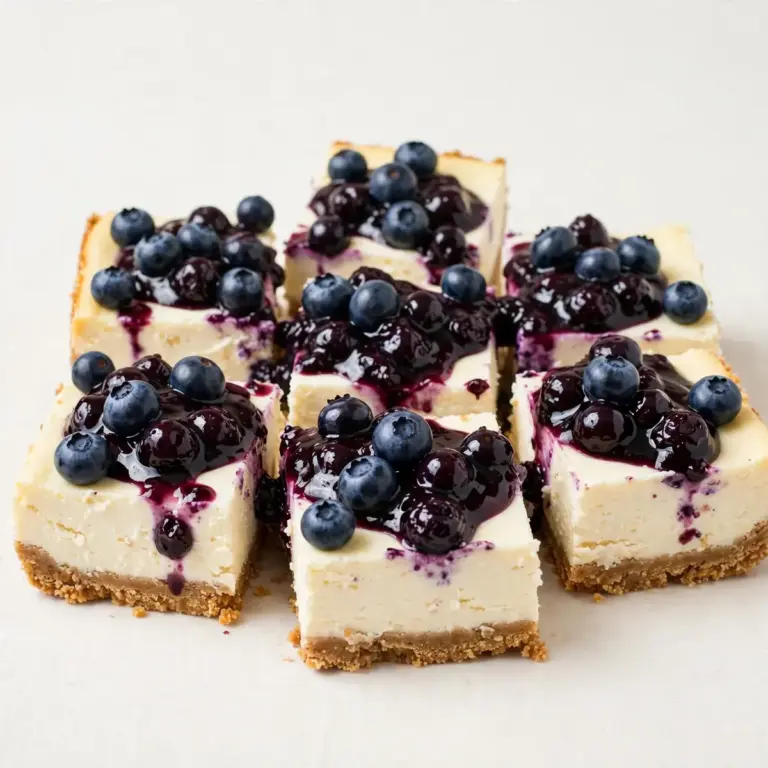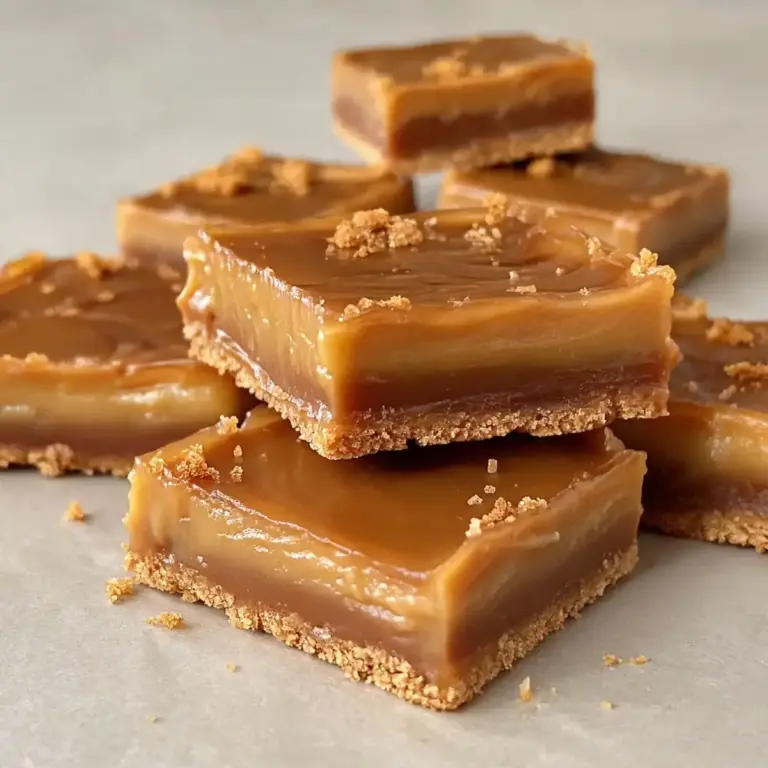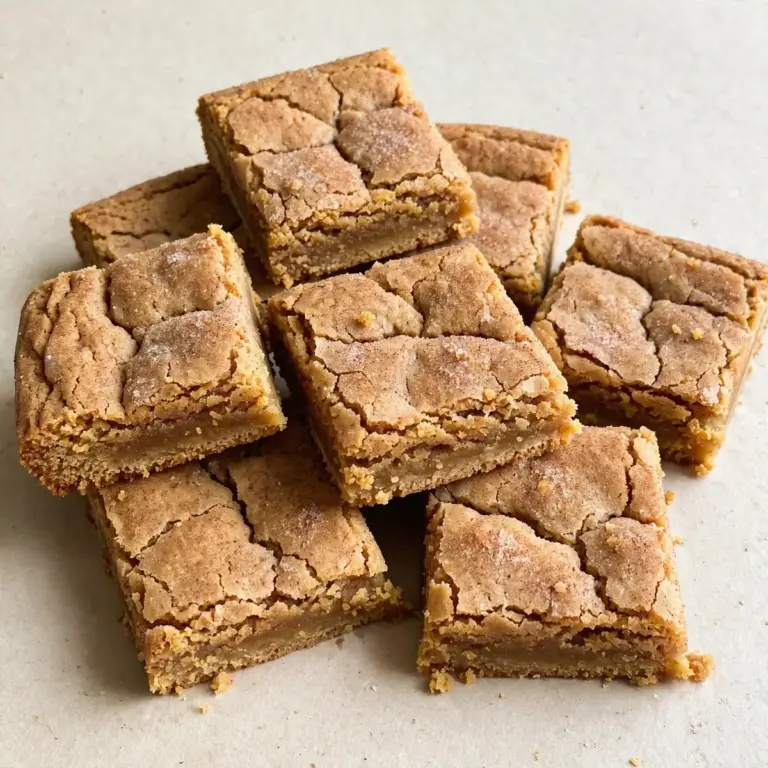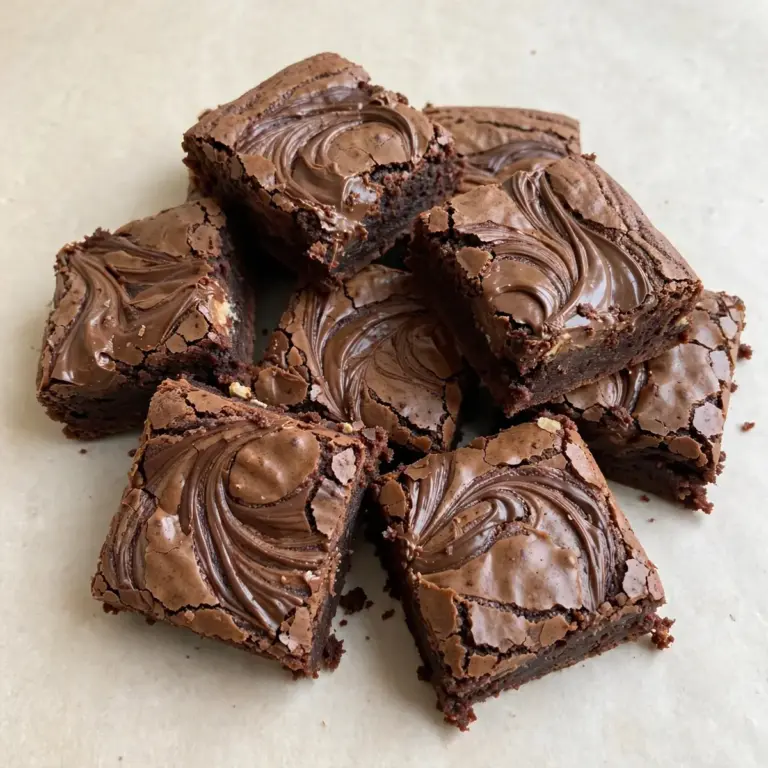
Lemon Bars With Shortbread Crust
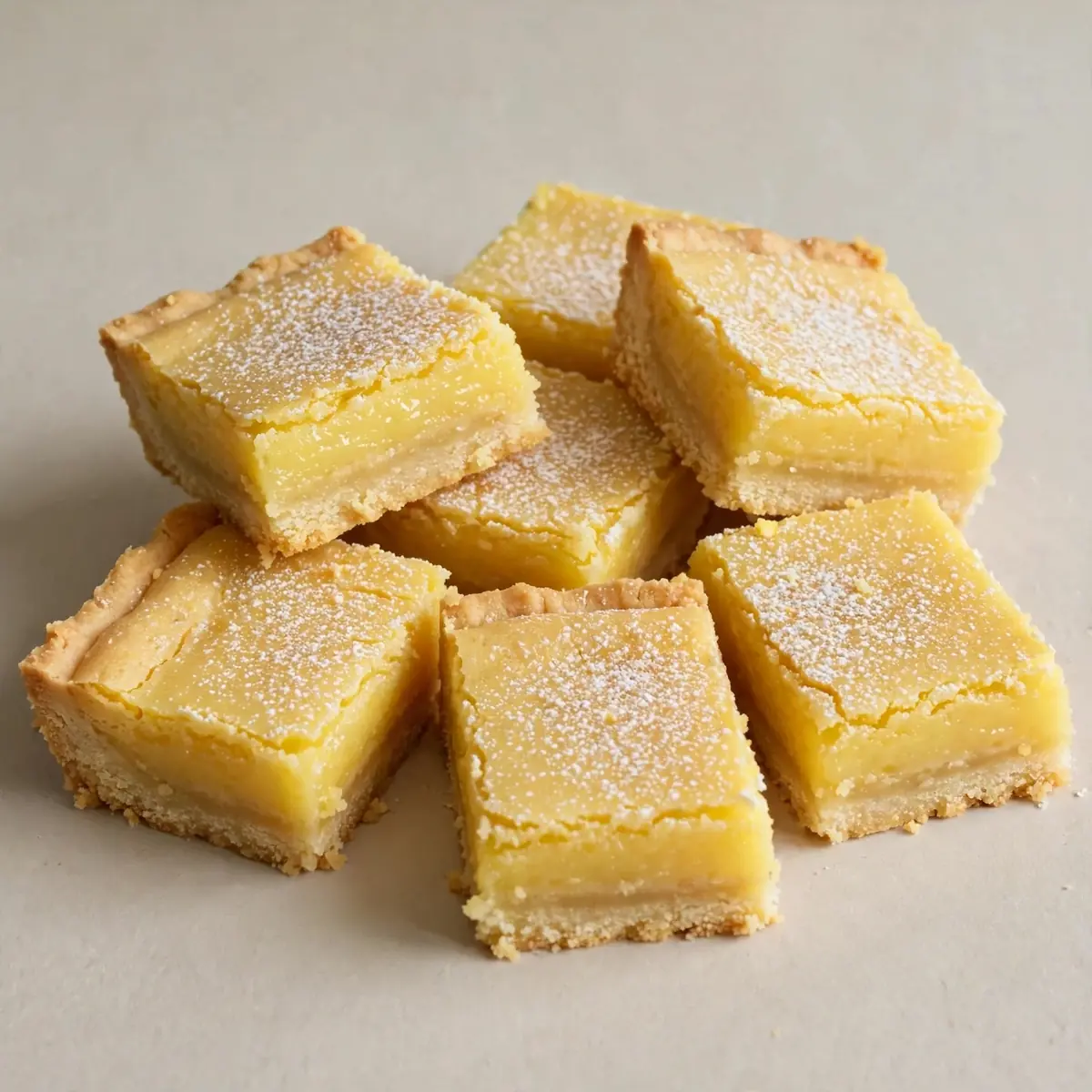
There’s a moment, just after you’ve set the dessert on the table, when the conversation pauses. That’s the moment I live for. These lemon bars with shortbread crust are my secret weapon for creating that hush—the buttery crumb, the vibrant, jiggly topping, the precise dusting of icing sugar that catches the light. This isn’t just a traybake; it’s a plated statement, and I’m going to show you the small touches that make it taste like it came from a smart restaurant kitchen.
Recipe Overview
- Prep Time: 25 minutes
- Cook Time: 40 minutes
- Total Time: 1 hour 5 minutes (plus 2 hours chilling)
- Servings: 16 squares
- Difficulty: Medium
Why You’ll Love This Lemon Bars with Shortbread Crust
- Restaurant-quality presentation: The clean, sharp edges and glossy topping make it a showstopper on any dessert plate.
- Perfectly balanced flavour: The sweet, sandy shortbread provides the ideal counterpoint to the sharp, tangy lemon curd.
- Make-ahead magic: These bars improve after a day in the fridge, making them the ultimate stress-free entertaining dessert.
- Texture that sings: You get a firm, buttery base against a silky, almost creamy lemon topping that wobbles just so.
- Customisable elegance: A few simple garnishes—a curl of lemon zest, a single edible flower—transform it into haute cuisine.
Ingredients You’ll Need
- 200g unsalted butter, cold and cubed
- 100g caster sugar
- 250g plain flour
- ¼ teaspoon fine sea salt
- 4 large eggs, at room temperature
- 300g caster sugar (for the filling)
- 80ml freshly squeezed lemon juice (about 3-4 large lemons)
- 2 tablespoons finely grated lemon zest
- 60g plain flour (for the filling)
- ½ teaspoon baking powder
- Icing sugar, for dusting
Tip: For the most vibrant flavour, roll your lemons on the countertop before juicing to release the oils, and always zest before juicing—it’s far easier that way.
How to Make Lemon Bars with Shortbread Crust
- Preheat and prepare your pan. Preheat the oven to 180°C (160°C fan). Line a 20cm x 20cm square baking tin with a long strip of parchment paper, leaving an overhang on two opposite sides. This will be your sling to lift the bars out later. Lightly grease the paper.
- Make the shortbread crust. In a large bowl, combine the cold cubed butter, 100g caster sugar, 250g plain flour, and the salt. Use your fingertips to rub the butter into the dry ingredients until the mixture resembles coarse breadcrumbs. You’ll feel the butter pieces become smaller and the mixture turn sandy and cool. Alternatively, pulse in a food processor until it just starts to clump together.
- Press and blind-bake the base. Tip the crumb mixture into the prepared tin. Press it down firmly and evenly with your fingers or the flat bottom of a glass. The surface should look smooth and compact, with no gaps. Bake for 18-20 minutes, until the edges are just beginning to turn a pale, nutty gold and the surface feels dry and firm to the touch. The scent of toasted butter will fill your kitchen.
- Whisk the lemon filling. While the crust bakes, whisk the eggs in a large bowl until they are frothy and slightly paler, about 1 minute. Add the 300g caster sugar and whisk until thick and combined, about 2 minutes more. The mixture should look like a pale, ribbony cream. Whisk in the lemon juice and zest—the aroma will be intensely floral and sharp.
- Incorporate the dry ingredients. Sift the 60g flour and baking powder together over the wet mixture. Whisk gently but thoroughly until no streaks of flour remain. The batter will be thin and smooth, like a very loose custard.
- Pour and bake. Pour the lemon filling over the hot, pre-baked crust. The crust will sizzle slightly—that’s a good sign. Bake for 20-25 minutes. The top should be set and no longer jiggly in the centre, but it will still have a slight wobble when you shake the tin. The edges will be a very light golden brown, and the surface will look glossy and taut, like polished glass.
- Cool completely. Place the tin on a wire cooling rack and let it cool to room temperature, about 1 hour. Then, transfer it to the refrigerator and chill for at least 2 hours, or overnight. This step is non-negotiable for clean, sharp slices. The bars should feel firm and cold to the touch.
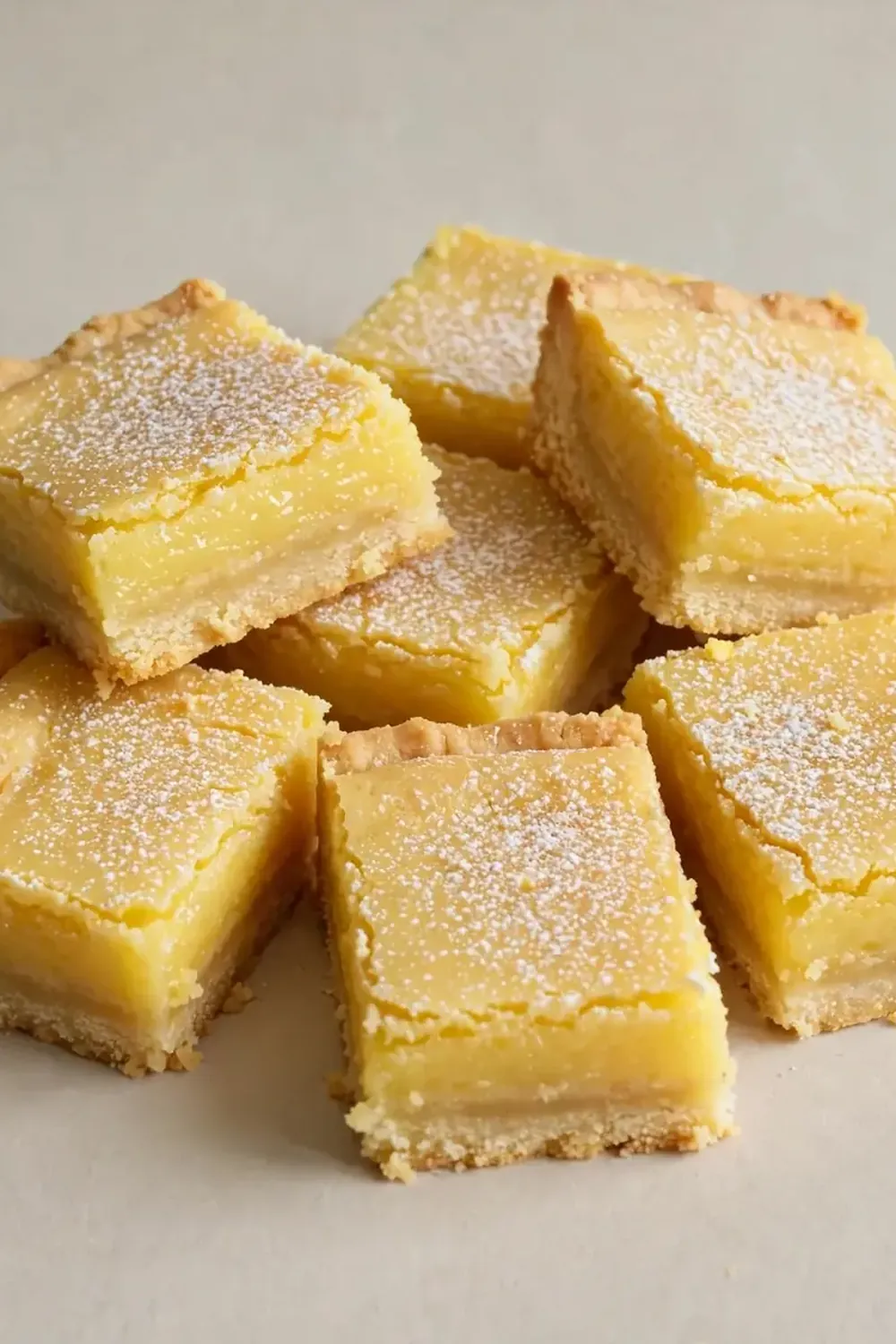
- Slice and serve. Use the parchment overhang to lift the entire block out of the tin. Place it on a cutting board. Using a long, sharp knife, slice into 16 squares. Wipe the knife clean between each cut for pristine edges. Dust generously with icing sugar just before serving.
Tips From My Kitchen
- Use cold butter for the crust: The key to a tender, sandy shortbread is keeping the butter cold until it hits the oven. If the butter warms up, it will melt into the flour too quickly, creating a tough, greasy base rather than a light, crumbly one. I cube my butter and pop it back into the fridge for 10 minutes before starting.
- Don’t overwork the dough: When pressing the crust into the tin, use a gentle but firm hand. Overpacking it or kneading it will develop gluten, leading to a hard, biscuit-like base. You want it to hold together when baked, but still shatter into delicate crumbs when you bite into it.
- Bake the crust until it’s truly golden: A pale, underbaked crust will turn soggy under the wet lemon filling. You need that structural integrity. The edges should be a deep, toasted gold, and the centre should feel dry, not tacky. That colour means the butter has fully browned and the flour is cooked through.
- Strain your lemon juice: Fresh lemon pulp and seeds can leave bitter pockets in your filling. Always strain the juice through a fine-mesh sieve before whisking it in. It takes five seconds and guarantees a silky, smooth texture without any unpleasant crunch.
- Chill before slicing—no shortcuts: I’ve been making this for over 8 years, and it never disappoints when I respect the chill time. The filling needs to fully set to achieve that clean, restaurant-style cut. If you try to slice it warm, you’ll end up with a sticky mess. Patience is the cheapest, most effective tool in your kitchen.
Equipment You’ll Need
- Stand mixer or hand mixer
- 20cm x 20cm square baking tin
- Parchment paper
- Wire cooling rack
- Fine-mesh sieve
- Microplane or fine grater for zest
- Long, sharp chef’s knife
Delicious Variations to Try
- Spicy Version: Add ½ teaspoon of ground ginger and a pinch of cayenne pepper to the shortbread crust. The warmth plays beautifully against the cold, tart lemon, creating a surprising depth of flavour that will have guests guessing.
- Vegan Option: Use a high-quality block of vegan butter for the crust. For the filling, replace the eggs with 120g of silken tofu blended with 1 tablespoon of cornflour and 1 tablespoon of apple cider vinegar. The texture will be slightly softer but still wonderfully silky.
- Different Protein: For a savoury-sweet twist, top each bar with a thin sliver of smoked duck breast just before serving. The rich, salty meat cuts through the sweetness and makes for an unforgettable canapé.
What to Serve With Lemon Bars with Shortbread Crust
- A dollop of lightly whipped, barely sweetened double cream
- A small handful of fresh raspberries or blueberries for colour
- A sprig of fresh mint or lemon balm
- A glass of chilled mint tea or a sparkling elderflower cordial
- A tiny pinch of flaky sea salt sprinkled over the top just before serving
Still hungry for ideas? You might also love Homemade Lemon Bars, Homemade Lemon Bars from our sister kitchens.
Frequently Asked Questions
Lemon Bars with Shortbread Crust
Ingredients
Method
- Preheat and prepare your pan. Preheat the oven to 180°C (160°C fan). Line a 20cm x 20cm square baking tin with a long strip of parchment paper, leaving an overhang on two opposite sides. This will be your sling to lift the bars out later. Lightly grease the paper.
- Make the shortbread crust. In a large bowl, combine the cold cubed butter, 100g caster sugar, 250g plain flour, and the salt. Use your fingertips to rub the butter into the dry ingredients until the mixture resembles coarse breadcrumbs. You'll feel the butter pieces become smaller and the mixture turn sandy and cool. Alternatively, pulse in a food processor until it just starts to clump together.
- Press and blind-bake the base. Tip the crumb mixture into the prepared tin. Press it down firmly and evenly with your fingers or the flat bottom of a glass. The surface should look smooth and compact, with no gaps. Bake for 18-20 minutes, until the edges are just beginning to turn a pale, nutty gold and the surface feels dry and firm to the touch. The scent of toasted butter will fill your kitchen.
- Whisk the lemon filling. While the crust bakes, whisk the eggs in a large bowl until they are frothy and slightly paler, about 1 minute. Add the 300g caster sugar and whisk until thick and combined, about 2 minutes more. The mixture should look like a pale, ribbony cream. Whisk in the lemon juice and zest—the aroma will be intensely floral and sharp.
- Incorporate the dry ingredients. Sift the 60g flour and baking powder together over the wet mixture. Whisk gently but thoroughly until no streaks of flour remain. The batter will be thin and smooth, like a very loose custard.
- Pour and bake. Pour the lemon filling over the hot, pre-baked crust. The crust will sizzle slightly—that's a good sign. Bake for 20-25 minutes. The top should be set and no longer jiggly in the centre, but it will still have a slight wobble when you shake the tin. The edges will be a very light golden brown, and the surface will look glossy and taut, like polished glass.
- Cool completely. Place the tin on a wire cooling rack and let it cool to room temperature, about 1 hour. Then, transfer it to the refrigerator and chill for at least 2 hours, or overnight. This step is non-negotiable for clean, sharp slices. The bars should feel firm and cold to the touch.
- Slice and serve. Use the parchment overhang to lift the entire block out of the tin. Place it on a cutting board. Using a long, sharp knife, slice into 16 squares. Wipe the knife clean between each cut for pristine edges. Dust generously with icing sugar just before serving.
Notes
I love hearing how these turn out in your kitchen. The first time you lift that block from the tin and see the perfect, glossy surface, you’ll know exactly what I mean about that restaurant-quality feeling. Drop a comment below and let me know what garnish you chose—or if you have a secret trick for the sharpest slices. And if you’re looking for another stunning dessert to add to your repertoire, you might enjoy our Classic Red Velvet Cheesecake or the silky Easy Lemon Meringue Pie. For more buttery, crumbly treats, browse our Cookies section. Happy baking!