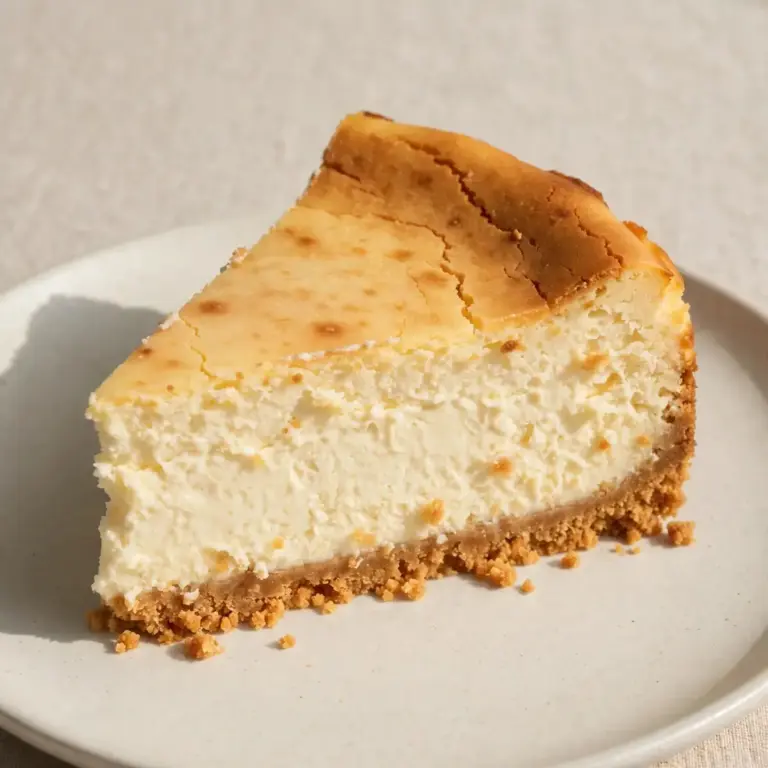
Classic Oreo Crust Cheesecake
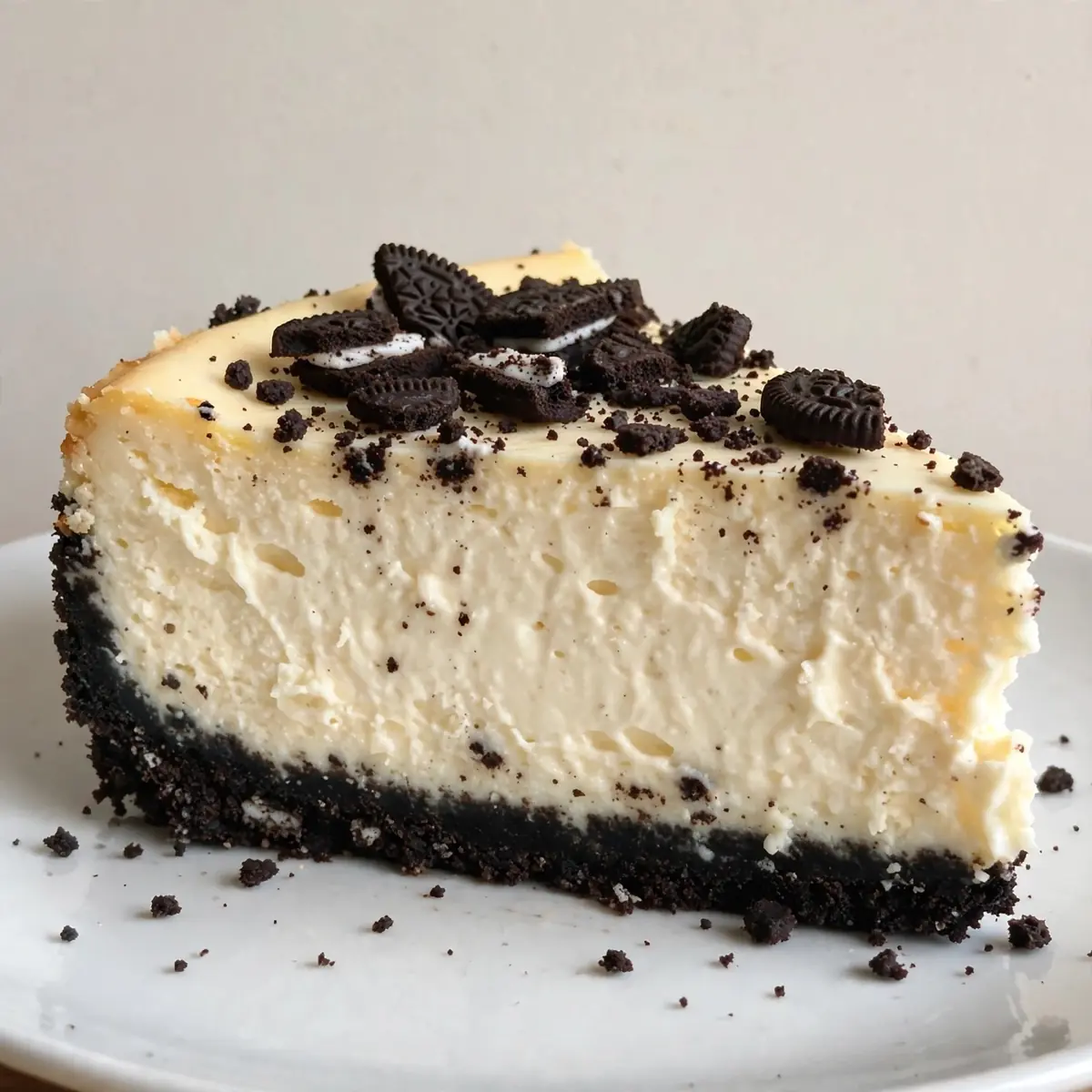
There’s a quiet confidence that comes from setting a perfectly sliced cheesecake on the table, its Oreo crust standing dark and distinct against a creamy, cloud-like filling. I stumbled upon this combination by accident, and it’s been a hit ever since, transforming a simple dessert into a restaurant-worthy centrepiece. This is the recipe I turn to when I want to impress without the stress, focusing on the small plating details that make all the difference.
Recipe Overview
- Prep Time: 30 minutes
- Cook Time: 1 hour 10 minutes
- Chilling Time: 6 hours (or overnight)
- Total Time: 7 hours 40 minutes
- Servings: 12 generous slices
- Difficulty: Medium
Why You’ll Love This Classic Oreo Crust Cheesecake
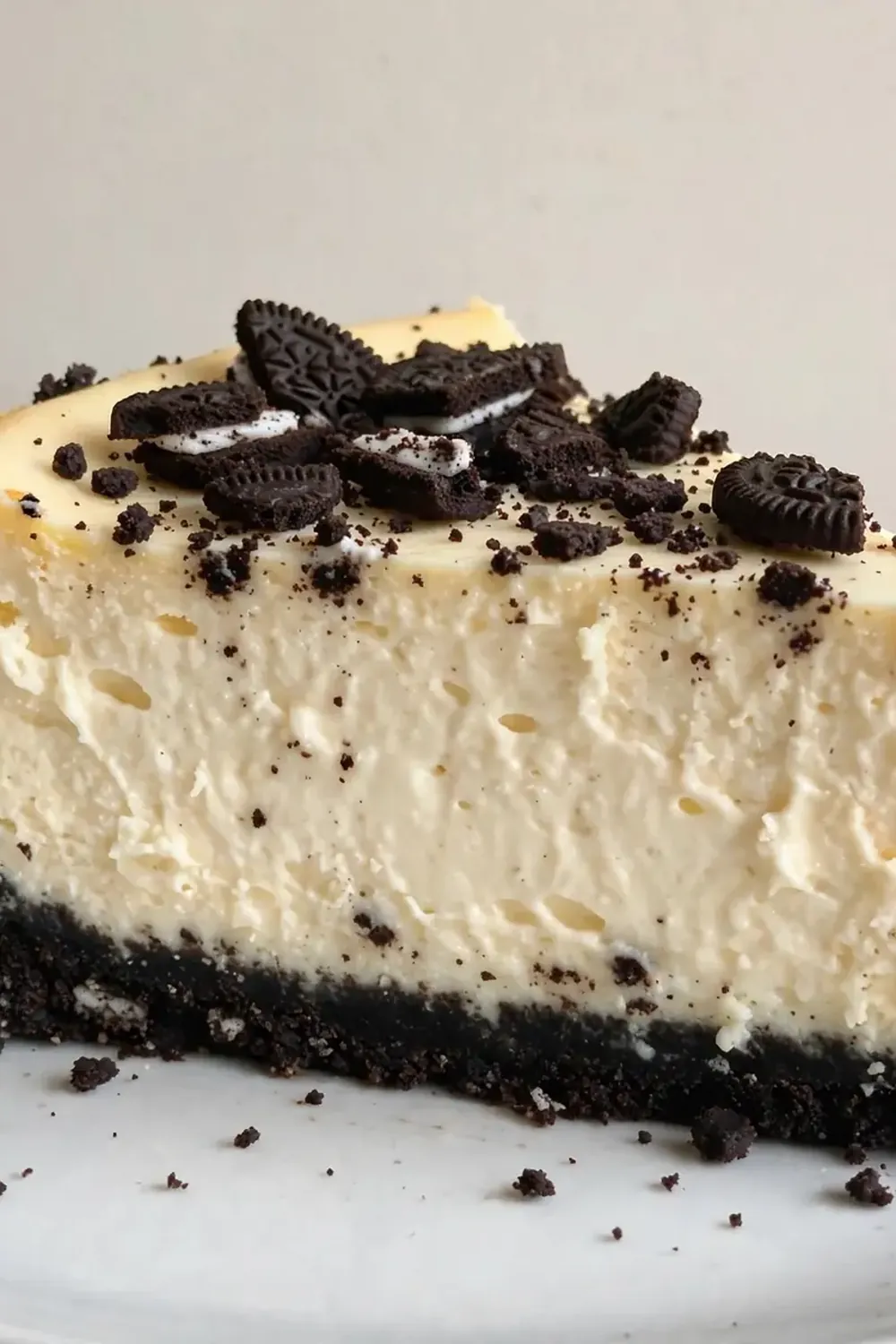
- Restaurant-Quality Plating: The dark, crisp Oreo crust provides a stunning visual contrast against the pale, silky filling, making even a simple slice look like it came from a patisserie.
- Perfectly Balanced Sweetness: The slightly salty, deep cocoa flavour of the crust balances the rich, tangy cream cheese filling, ensuring every mouthful is nuanced and not cloying.
- Crack-Free Finish: The technique I share below practically guarantees a smooth, unblemished top, which is the hallmark of a professional bake.
- Make-Ahead Magic: This cheesecake tastes even better the next day, allowing the flavours to meld and the texture to become supremely creamy, making it ideal for entertaining.
- Endless Presentation Options: A simple dusting of cocoa, a quenelle of whipped cream, or a drizzle of warm chocolate sauce can elevate the dessert in seconds.
Ingredients You’ll Need
- For the Oreo Crust:
- 250g Oreo cookies (about 24 cookies, filling included)
- 80g unsalted butter, melted
- 1 tablespoon caster sugar
- For the Cheesecake Filling:
- 900g full-fat cream cheese, at room temperature
- 200g caster sugar
- 1 teaspoon vanilla bean paste (or extract)
- 1 tablespoon lemon juice, freshly squeezed
- 4 large eggs, at room temperature
- 150ml double cream
- 2 tablespoons cornflour
- For the Garnish (optional, but recommended for presentation):
- Whipped cream
- Cocoa powder, for dusting
- Fresh raspberries or strawberries
Tip: For the silkiest texture, ensure your cream cheese, eggs, and double cream are all at room temperature. Cold ingredients can lead to a lumpy batter and a less cohesive bake.
How to Make Classic Oreo Crust Cheesecake
- Prepare the Crust: Preheat your oven to 160°C (140°C fan). Place the Oreo cookies (filling and all) into a food processor and blitz until they form fine, dark crumbs that smell deeply of cocoa. Pour in the melted butter and caster sugar, then pulse until the mixture looks like wet, dark sand and clumps together when pinched.
- Form the Base: Tip the mixture into a 23cm springform tin. Press it firmly and evenly into the base, using the bottom of a glass for a perfectly flat, compact layer. The crust should feel solid, not crumbly, and have a uniform, dark colour. Bake for 10 minutes, then set aside to cool completely on a wire rack. You will hear a faint crackling sound as it cools.
- Start the Filling: In a large mixing bowl, beat the room-temperature cream cheese with a stand mixer or hand mixer on medium speed until it is completely smooth and has a glossy, lump-free appearance, about 2 minutes. Scrape down the sides of the bowl with a spatula.
- Add Sugar and Flavourings: Add the caster sugar, vanilla bean paste, and lemon juice. Beat on low speed until just combined. The mixture will look creamy and pale, and the sugar will begin to dissolve. Be careful not to overmix at this stage.
- Incorporate the Eggs: Add the eggs, one at a time, mixing on low speed after each addition until the yolk disappears into the batter. The mixture should be thick, smooth, and have a pale yellow hue. Overmixing now will incorporate too much air, leading to cracks.
- Finish the Batter: In a small jug, whisk the double cream and cornflour together until the cornflour dissolves completely, creating a thin, milky slurry. Pour this into the cream cheese mixture and fold gently with a spatula until the batter is uniform, silky, and has a slight sheen.
- Bake the Cheesecake: Pour the filling over the cooled crust. Gently tap the tin on the counter to release any air bubbles. Place the springform tin into a larger roasting tray and pour hot water from the kettle into the roasting tray until it reaches halfway up the sides of the springform tin. Bake for 55–65 minutes, or until the edges are set and look pale golden, but the centre still has a noticeable wobble, like a firm jelly.
- Cool and Chill: Turn off the oven and leave the cheesecake inside with the door slightly ajar for 1 hour. This gentle cooling helps prevent a dramatic temperature shock. Remove the cheesecake from the water bath, run a thin knife around the edge, and let it cool completely on a wire rack. The surface will feel set but still soft. Refrigerate for at least 6 hours, or preferably overnight, until the cheesecake is completely firm and cold.
Tips From My Kitchen
- Invest in a Water Bath: The steam from the hot water bath is the secret to a crack-free cheesecake. It creates a humid environment in the oven, preventing the top from drying out and cracking. To ensure no water seeps in, wrap the bottom of your springform tin tightly in two layers of heavy-duty foil.
- Don’t Overmix the Batter: Once you add the eggs, mix on the lowest speed possible and stop as soon as they are incorporated. Excessive air in the batter expands in the oven and then collapses, leaving you with unsightly fissures on the surface.
- Use a Sharp, Warm Knife for Slices: For those clean, restaurant-style slices, run a long, sharp knife under hot water, dry it off, and then make your cut. Wipe the blade clean and re-warm it between each slice. This prevents the creamy filling from dragging and smearing.
- Perfect the Crust Press: I used to struggle with this dish until I discovered this technique: use the flat bottom of a measuring cup to press the crust down. This ensures it is compact and even, preventing it from crumbling when you cut your first slice.
- Prioritise Room Temperature Ingredients: Cold cream cheese will create a lumpy batter. Cold eggs can cause the batter to seize. By letting everything come to room temperature for about 30 minutes before you begin, you ensure a silky, homogenous filling that bakes evenly.
Equipment You’ll Need
- Stand mixer or hand mixer
- 23cm springform cake tin
- Large roasting tray (for the water bath)
- Heavy-duty aluminium foil
- Food processor
- Parchment paper
- Wire cooling rack
- Sharp, serrated knife
Common Mistakes to Avoid
- Overcrowding the pan: This recipe is designed for a 23cm tin. Using a smaller tin will cause the batter to be too deep, resulting in an underbaked centre and a burnt exterior. Stick to the recommended size for even cooking.
- Wrong temperature: Baking at too high a temperature will cause the cheesecake to soufflé and then collapse, creating a large crack. A gentle, low oven (160°C) is critical for a slow, even set. Use an oven thermometer if your oven runs hot.
- Skipping the rest time: The overnight chill is not optional; it’s structural. This resting period allows the cheesecake to set completely, making it sliceable. It also allows the flavours to deepen and meld, transforming it from a good dessert into a great one.
Delicious Variations to Try
- Chocolate Drizzle: After the cheesecake has chilled, melt 100g of dark chocolate with 50ml of double cream. Let it cool slightly, then drizzle it over the top of the cheesecake in a decorative pattern. This adds a glossy, professional finish and an extra layer of chocolate intensity.
- Berry Swirl: Before pouring the filling into the crust, swirl in 100ml of raspberry or strawberry coulis. Use a knife to create gentle figure-eight patterns on the surface. This adds a beautiful pink marbling and a tart counterpoint to the rich cream cheese.
- Minty Fresh: Add 1-2 teaspoons of peppermint extract to the cheesecake batter along with the vanilla. Garnish the finished cheesecake with fresh mint leaves and a few shards of dark chocolate for a refreshing, after-dinner treat.
What to Serve With Classic Oreo Crust Cheesecake
- A dollop of lightly sweetened, softly whipped cream
- A compote of sharp red berries, such as raspberries or blackberries
- A dusting of sieved icing sugar or cocoa powder
- A small, strong coffee or an espresso to cut through the richness
- A glass of chilled milk for a classic, nostalgic pairing
Still hungry for ideas? You might also love Mint Oreo Cheesecake Bars Recipe Dessert, Red Velvet Oreo Cheesecake from our sister kitchens.
Frequently Asked Questions
Classic Oreo Crust Cheesecake
Ingredients
Method
- Prepare the Crust: Preheat your oven to 160°C (140°C fan). Place the Oreo cookies (filling and all) into a food processor and blitz until they form fine, dark crumbs that smell deeply of cocoa. Pour in the melted butter and caster sugar, then pulse until the mixture looks like wet, dark sand and clumps together when pinched.
- Form the Base: Tip the mixture into a 23cm springform tin. Press it firmly and evenly into the base, using the bottom of a glass for a perfectly flat, compact layer. The crust should feel solid, not crumbly, and have a uniform, dark colour. Bake for 10 minutes, then set aside to cool completely on a wire rack. You will hear a faint crackling sound as it cools.
- Start the Filling: In a large mixing bowl, beat the room-temperature cream cheese with a stand mixer or hand mixer on medium speed until it is completely smooth and has a glossy, lump-free appearance, about 2 minutes. Scrape down the sides of the bowl with a spatula.
- Add Sugar and Flavourings: Add the caster sugar, vanilla bean paste, and lemon juice. Beat on low speed until just combined. The mixture will look creamy and pale, and the sugar will begin to dissolve. Be careful not to overmix at this stage.
- Incorporate the Eggs: Add the eggs, one at a time, mixing on low speed after each addition until the yolk disappears into the batter. The mixture should be thick, smooth, and have a pale yellow hue. Overmixing now will incorporate too much air, leading to cracks.
- Finish the Batter: In a small jug, whisk the double cream and cornflour together until the cornflour dissolves completely, creating a thin, milky slurry. Pour this into the cream cheese mixture and fold gently with a spatula until the batter is uniform, silky, and has a slight sheen.
- Bake the Cheesecake: Pour the filling over the cooled crust. Gently tap the tin on the counter to release any air bubbles. Place the springform tin into a larger roasting tray and pour hot water from the kettle into the roasting tray until it reaches halfway up the sides of the springform tin. Bake for 55–65 minutes, or until the edges are set and look pale golden, but the centre still has a noticeable wobble, like a firm jelly.
- Cool and Chill: Turn off the oven and leave the cheesecake inside with the door slightly ajar for 1 hour. This gentle cooling helps prevent a dramatic temperature shock. Remove the cheesecake from the water bath, run a thin knife around the edge, and let it cool completely on a wire rack. The surface will feel set but still soft. Refrigerate for at least 6 hours, or preferably overnight, until the cheesecake is completely firm and cold.
Notes
There is a special kind of satisfaction in slicing into a cheesecake you’ve made yourself, seeing the perfect layers emerge. I hope this guide gives you the confidence to create a dessert that feels as special as it tastes. I’d love to hear how you dressed yours up for the table—please leave a comment below and share your own presentation ideas!