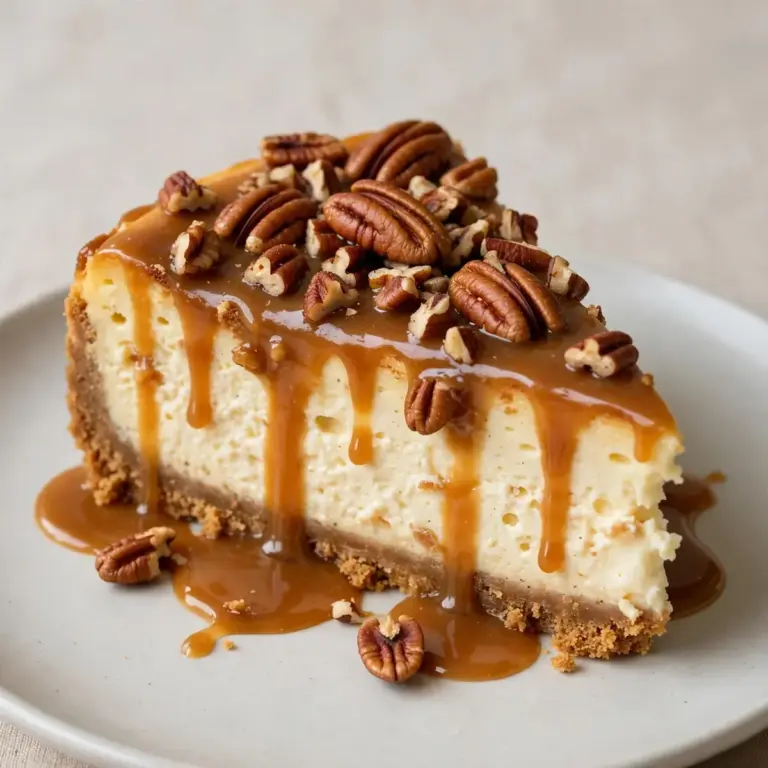
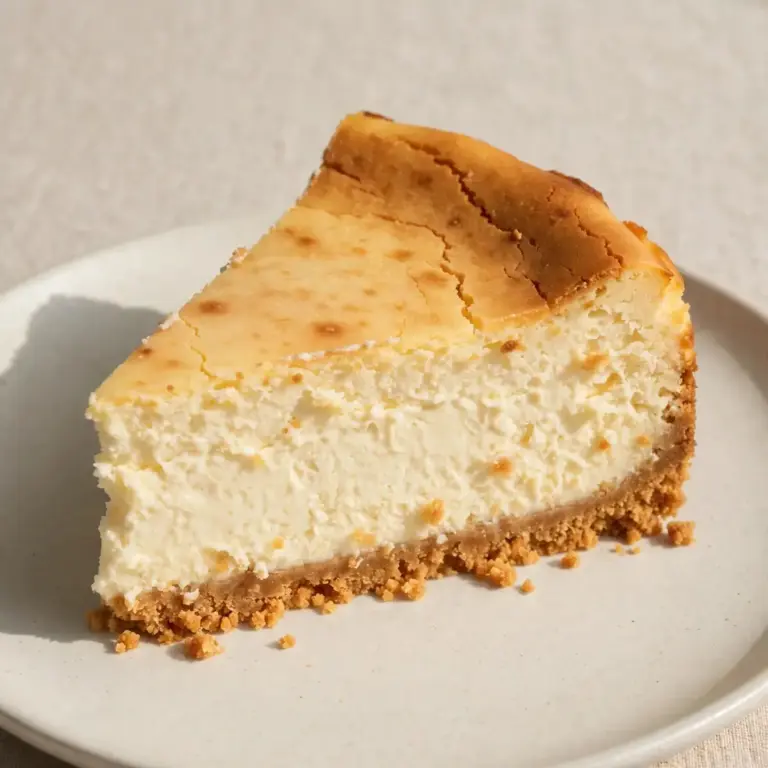
Salted Caramel Cheesecake
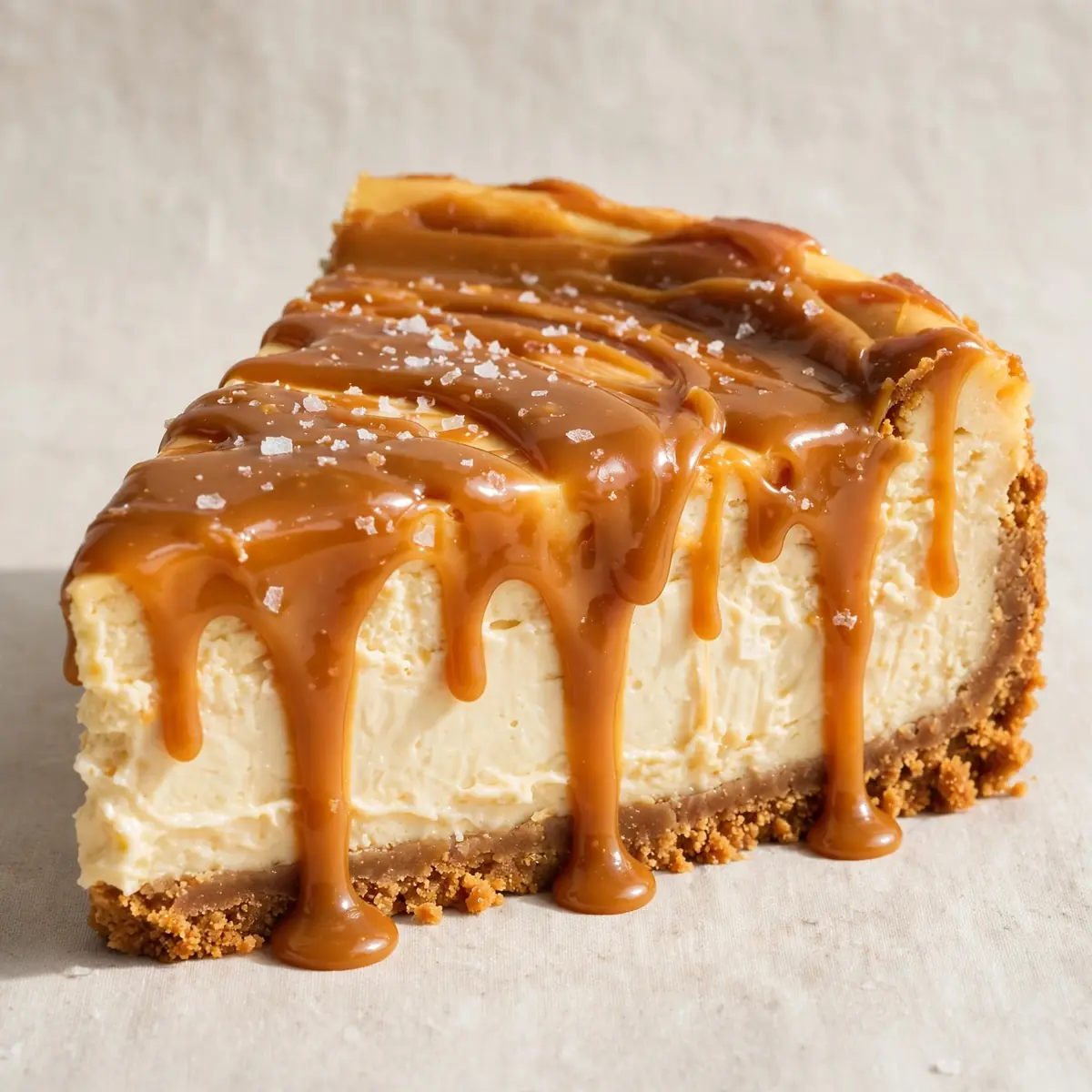
When I want to silence a dinner table and have everyone reach for their phones to snap a photo before taking a single bite, this is the dessert I reach for. A Salted Caramel Cheesecake, plated with intention, is the kind of show-stopping finale that transforms a casual gathering into a memorable evening, and I’m about to show you exactly how to create that restaurant-quality moment at home.
Recipe Overview
- Prep Time: 45 minutes
- Cook Time: 1 hour 15 minutes
- Total Time: 8 hours (includes overnight chilling)
- Servings: 12 generous slices
- Difficulty: Intermediate
Why You’ll Love This Salted Caramel Cheesecake
- Restaurant-worthy plating: The glossy caramel drizzle and flaky salt finish make every slice look like it came from a patisserie window.
- Perfectly balanced flavour: The deep, buttery sweetness of the caramel is cut by a sharp, flaky sea salt that keeps you coming back for just one more forkful.
- Silky, crack-free texture: We use a water bath and a specific cooling method to guarantee a velvety smooth surface with no unsightly fissures.
- Make-ahead magic: This cheesecake actually tastes better after a full night in the fridge, meaning you can prepare it entirely the day before your dinner party.
- Customisable presentation: From a simple dollop of cream to an elaborate caramel cage, the base recipe is a blank canvas for your creative plating.
Ingredients You’ll Need
- For the Biscuit Base:
- 250g digestive biscuits (or graham crackers)
- 100g unsalted butter, melted
- 30g demerara sugar
- ½ teaspoon ground cinnamon
- For the Cheesecake Filling:
- 900g full-fat cream cheese, at room temperature
- 200g caster sugar
- 1 tablespoon vanilla bean paste (or extract)
- 4 large free-range eggs, at room temperature
- 200ml double cream
- 2 tablespoons plain flour
- For the Salted Caramel Sauce:
- 200g caster sugar
- 80ml water
- 120ml double cream, warmed
- 60g unsalted butter, cubed and softened
- 1½ teaspoons flaky sea salt (plus extra for finishing)
Tip: Ensure your cream cheese and eggs are genuinely at room temperature — cold ingredients are the number one culprit for a lumpy, cracked cheesecake. Take them out of the fridge a full two hours before you start.
How to Make Salted Caramel Cheesecake
- Prepare the base: Preheat your oven to 160°C (140°C fan). Blitz the digestive biscuits in a food processor until you have fine, sand-like crumbs — you should hear a soft, uniform rustle with no chunks. Pour in the melted butter, demerara sugar, and cinnamon, then pulse until the mixture clumps together when pressed between your fingers. Press this firmly into the bottom of a 23cm springform tin lined with baking parchment, using the flat bottom of a glass to create an even, compact layer. The base should feel solid and cohesive, not crumbly.
- Bake the base: Bake the base for 10 minutes until it is fragrant and the edges have taken on a slightly deeper golden colour. The kitchen will smell warmly of toasted biscuits and cinnamon. Set aside to cool completely while you make the filling.
- Make the filling: In a large bowl using a stand mixer with the paddle attachment (or a hand mixer), beat the cream cheese on medium speed for 2 minutes until it is silky smooth with no lumps — the texture should be like thick, whipped butter. Add the caster sugar and vanilla bean paste, then beat for another 2 minutes until the mixture is light, fluffy, and has visibly paled in colour. Scrape down the sides and bottom of the bowl thoroughly.
- Add the eggs and cream: With the mixer on low speed, add the eggs one at a time, beating gently after each addition until just combined. The mixture should look glossy and unified, not curdled. Pour in the double cream and the flour, then mix on the lowest setting until just incorporated. The final batter should be thick, smooth, and pour off the paddle in a slow, heavy ribbon.
- Prepare the water bath: Wrap the outside of your springform tin tightly with two layers of heavy-duty foil, ensuring no seams are exposed where water could seep in. Place the tin in a large roasting dish. Pour the cheesecake batter over the cooled base, smoothing the top with a spatula. The surface should be level and free of any air bubbles — tap the tin gently on the counter to release any hidden ones.
- Bake the cheesecake: Pour boiling water into the roasting dish until it reaches halfway up the sides of the springform tin. Carefully transfer to the oven and bake for 60–70 minutes. At the 50-minute mark, check the cheesecake — the edges should be set and puffed slightly, but the centre 5cm should still wobble like firm jelly when you gently shake the tin. The surface should be a pale, uniform beige with no browning.
- Cool slowly: Turn the oven off, crack the door open slightly with a wooden spoon, and leave the cheesecake inside the water bath for 1 hour. This slow cooling is the secret to a crack-free top. After an hour, remove the cheesecake from the water bath, run a thin knife around the edge to release it from the tin, and let it cool completely on a wire rack. The surface should feel set but still soft to the touch. Refrigerate uncovered for at least 6 hours, ideally overnight, for the firmest, cleanest slices.
- Make the salted caramel: In a deep, heavy-bottomed saucepan, combine the caster sugar and water. Stir gently with a clean spatula until the sugar looks like wet sand — do not stir once it is on the heat. Bring to a boil over medium-high heat and cook until the mixture turns a deep amber colour, about 8–10 minutes. Watch carefully: it will go from pale gold to rich chestnut very quickly, and the smell will shift from sweet to nutty and complex. Immediately remove from the heat and carefully pour in the warmed cream — it will bubble up violently, so stand back. Whisk until smooth, then add the cubed butter and 1½ teaspoons of sea salt, whisking until the sauce is glossy, thick, and perfectly emulsified. Let it cool to room temperature — it will thicken further as it cools.
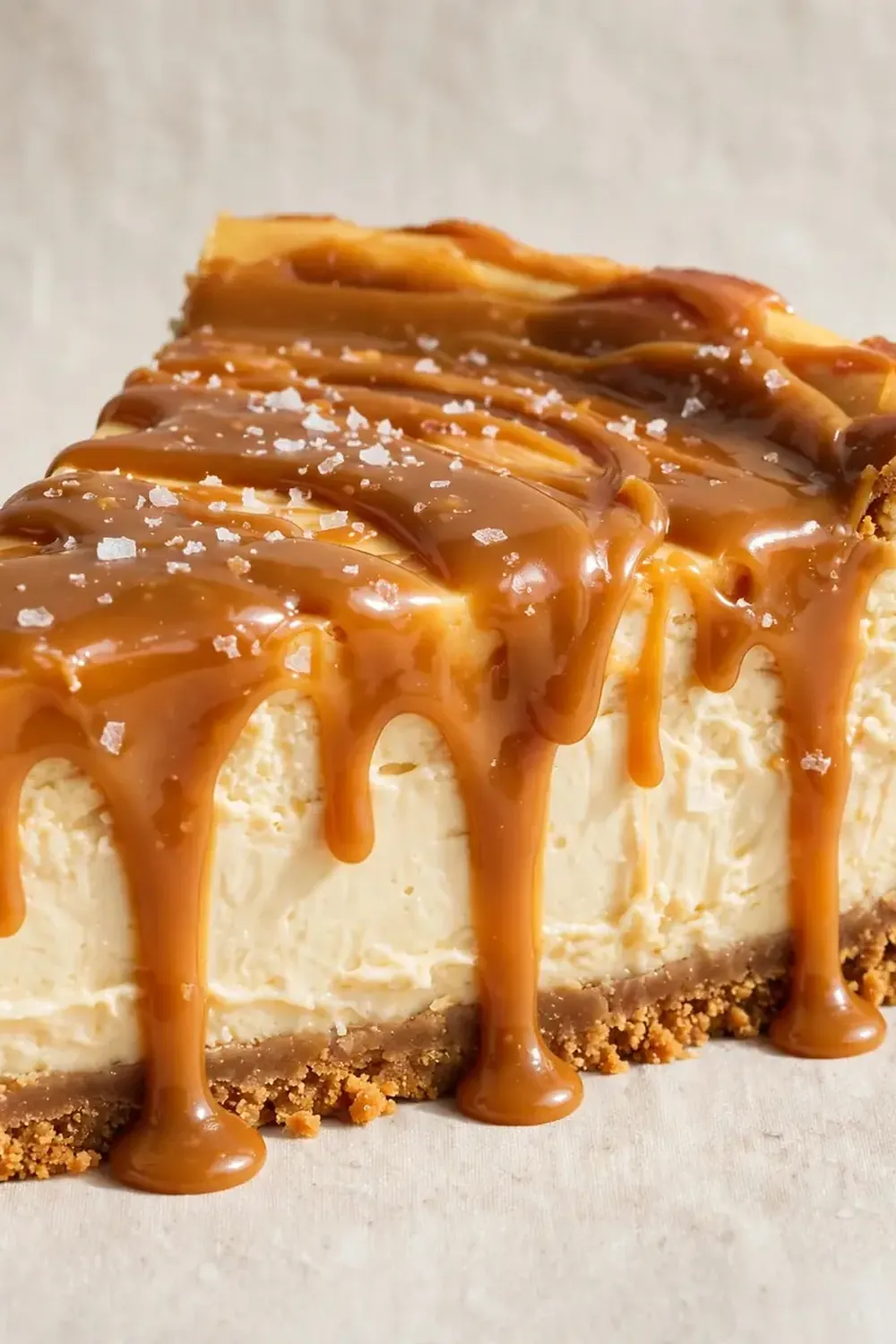
- Plate and serve: To achieve a restaurant-quality presentation, run a hot, dry knife under boiling water, wipe it clean, and slice the cheesecake in one smooth, confident motion. Place each slice on a chilled plate. Warm the caramel sauce gently until it is pourable, then drizzle it artfully over the slice — let it cascade down the sides in uneven ribbons. Finish with a final pinch of flaky sea salt on top of the caramel. The contrast of the pale, creamy cheesecake, the glossy amber caramel, and the white crystalline salt is visually stunning.
Tips From My Kitchen
- Invest in a digital thermometer for your caramel: The difference between a perfect caramel and a burnt, bitter one is a matter of seconds. A thermometer takes the guesswork out — aim for 175°C (347°F) for a deep, complex caramel. If you don’t have one, use a bowl of cold water nearby: drop a tiny amount of the hot sugar into the water; if it forms a brittle, hard ball that cracks when you bite it, it’s ready.
- Never over-beat the eggs: Once you add the eggs to the cream cheese mixture, treat the batter with extreme gentleness. Over-beating incorporates too much air, which expands in the oven and then collapses, causing cracks. Mix on the lowest speed and stop as soon as the yolk disappears into the batter.
- Use a hot knife for clean slices every time: This is the single most important tip for a professional-looking plate. Dip your knife in boiling water, dry it with a clean cloth, and slice in one firm, smooth motion. Wipe the blade clean and reheat between each cut. The result is a perfectly sharp edge with no smeared cheesecake on the blade.
- Chill the plates for serving: This is a small touch that makes a huge difference. Pop your serving plates in the fridge for at least 30 minutes before plating. The cold plate keeps the cheesecake firm and prevents the caramel from running off into a pool — it stays exactly where you drizzle it.
- Make the caramel a day ahead: The caramel sauce actually improves with rest. Make it the day before, let it cool, and store it in a jar in the fridge. Before serving, warm it gently in a small saucepan or in the microwave in 10-second bursts, stirring between each, until it is perfectly pourable. This reduces the stress on the day of your dinner party significantly.
Common Mistakes to Avoid
- Overcrowding the pan: This doesn’t apply to the pan itself but to the water bath. Ensure your roasting dish is large enough that the springform tin sits comfortably in the centre without touching the sides. If the tin touches the metal of the roasting dish, it heats unevenly, causing the outer edges of the cheesecake to overcook and crack while the centre remains raw.
- Wrong temperature: Baking a cheesecake at too high a temperature is the fastest way to a cratered surface. Your oven should be at a gentle 160°C (140°C fan). If your oven runs hot, invest in an oven thermometer — they are inexpensive and save countless desserts from ruin. The goal is to cook the cheesecake slowly and evenly, not to blast it into submission.
- Skipping the rest time: I know it is agonising to wait, but cutting into a cheesecake that hasn’t been fully chilled is like cutting into wet cement. The structure hasn’t set, the slice will crumble, and the texture will be gummy rather than velvety. The overnight chill is non-negotiable for that clean, pristine slice you see in magazines.
Delicious Variations to Try
- Spicy Version: Add ½ teaspoon of smoked paprika and a pinch of cayenne pepper to the biscuit base. In the caramel sauce, add a small dried chipotle pepper while it simmers, then remove it before serving. The smoky heat cuts through the sweetness beautifully and pairs wonderfully with the salt.
- Vegetarian/Vegan Option: Use a vegan cream cheese block (not the spreadable kind), coconut cream for the double cream, and a flaxseed egg (1 tablespoon ground flaxseed mixed with 3 tablespoons water per egg). For the caramel, use a good-quality coconut cream and vegan butter. The texture will be slightly less dense but still incredibly creamy and indulgent.
- Different Protein: While this is a dessert, you can create a savoury-sweet twist by serving a thin slice of this cheesecake alongside a seared, pan-roasted duck breast with a cherry reduction. The salty, sweet, and rich elements of the cheesecake complement the gamey, savoury duck beautifully — a surprising but genuinely impressive pairing for an adventurous dinner party.
What to Serve With Salted Caramel Cheesecake
- A small dollop of lightly whipped, unsweetened double cream to cut the sweetness.
- A scattering of toasted, flaked almonds or crushed honey-roasted peanuts for crunch.
- A few fresh raspberries or halved strawberries for a bright, acidic pop of colour.
- A glass of Sparkling Raspberry Lemonade — the tart bubbles are a perfect palate cleanser between rich bites.
- A strong, freshly brewed black coffee or an espresso to balance the sweetness.
Still hungry for ideas? You might also love Salted Caramel Dessert Recipe Sweet Treat, Salted Caramel Chocolate Cookies Recipe from our sister kitchens.
Frequently Asked Questions
Salted Caramel Cheesecake
Ingredients
Method
- Prepare the base: Preheat your oven to 160°C (140°C fan). Blitz the digestive biscuits in a food processor until you have fine, sand-like crumbs — you should hear a soft, uniform rustle with no chunks. Pour in the melted butter, demerara sugar, and cinnamon, then pulse until the mixture clumps together when pressed between your fingers. Press this firmly into the bottom of a 23cm springform tin lined with baking parchment, using the flat bottom of a glass to create an even, compact layer. The base should feel solid and cohesive, not crumbly.
- Bake the base: Bake the base for 10 minutes until it is fragrant and the edges have taken on a slightly deeper golden colour. The kitchen will smell warmly of toasted biscuits and cinnamon. Set aside to cool completely while you make the filling.
- Make the filling: In a large bowl using a stand mixer with the paddle attachment (or a hand mixer), beat the cream cheese on medium speed for 2 minutes until it is silky smooth with no lumps — the texture should be like thick, whipped butter. Add the caster sugar and vanilla bean paste, then beat for another 2 minutes until the mixture is light, fluffy, and has visibly paled in colour. Scrape down the sides and bottom of the bowl thoroughly.
- Add the eggs and cream: With the mixer on low speed, add the eggs one at a time, beating gently after each addition until just combined. The mixture should look glossy and unified, not curdled. Pour in the double cream and the flour, then mix on the lowest setting until just incorporated. The final batter should be thick, smooth, and pour off the paddle in a slow, heavy ribbon.
- Prepare the water bath: Wrap the outside of your springform tin tightly with two layers of heavy-duty foil, ensuring no seams are exposed where water could seep in. Place the tin in a large roasting dish. Pour the cheesecake batter over the cooled base, smoothing the top with a spatula. The surface should be level and free of any air bubbles — tap the tin gently on the counter to release any hidden ones.
- Bake the cheesecake: Pour boiling water into the roasting dish until it reaches halfway up the sides of the springform tin. Carefully transfer to the oven and bake for 60–70 minutes. At the 50-minute mark, check the cheesecake — the edges should be set and puffed slightly, but the centre 5cm should still wobble like firm jelly when you gently shake the tin. The surface should be a pale, uniform beige with no browning.
- Cool slowly: Turn the oven off, crack the door open slightly with a wooden spoon, and leave the cheesecake inside the water bath for 1 hour. This slow cooling is the secret to a crack-free top. After an hour, remove the cheesecake from the water bath, run a thin knife around the edge to release it from the tin, and let it cool completely on a wire rack. The surface should feel set but still soft to the touch. Refrigerate uncovered for at least 6 hours, ideally overnight, for the firmest, cleanest slices.
- Make the salted caramel: In a deep, heavy-bottomed saucepan, combine the caster sugar and water. Stir gently with a clean spatula until the sugar looks like wet sand — do not stir once it is on the heat. Bring to a boil over medium-high heat and cook until the mixture turns a deep amber colour, about 8–10 minutes. Watch carefully: it will go from pale gold to rich chestnut very quickly, and the smell will shift from sweet to nutty and complex. Immediately remove from the heat and carefully pour in the warmed cream — it will bubble up violently, so stand back. Whisk until smooth, then add the cubed butter and 1½ teaspoons of sea salt, whisking until the sauce is glossy, thick, and perfectly emulsified. Let it cool to room temperature — it will thicken further as it cools.
- Plate and serve: To achieve a restaurant-quality presentation, run a hot, dry knife under boiling water, wipe it clean, and slice the cheesecake in one smooth, confident motion. Place each slice on a chilled plate. Warm the caramel sauce gently until it is pourable, then drizzle it artfully over the slice — let it cascade down the sides in uneven ribbons. Finish with a final pinch of flaky sea salt on top of the caramel. The contrast of the pale, creamy cheesecake, the glossy amber caramel, and the white crystalline salt is visually stunning.
Notes
After testing this recipe five times, I finally got it just right — that silky texture, that glossy caramel that holds its shape on the plate, that perfect balance of sweet and salt. This is my go-to recipe when I need something quick but impressive, and I honestly believe the plating touches are what elevate it from a home-baked dessert to a restaurant-quality showpiece. I would love to hear how you choose to present yours — do you go for a dramatic drizzle, a neat geometric pattern, or perhaps a caramel cage? Drop a comment below and share your plating triumphs (or your questions — I am here to help).