Moist Banana Cake With Brown Butter Frosting
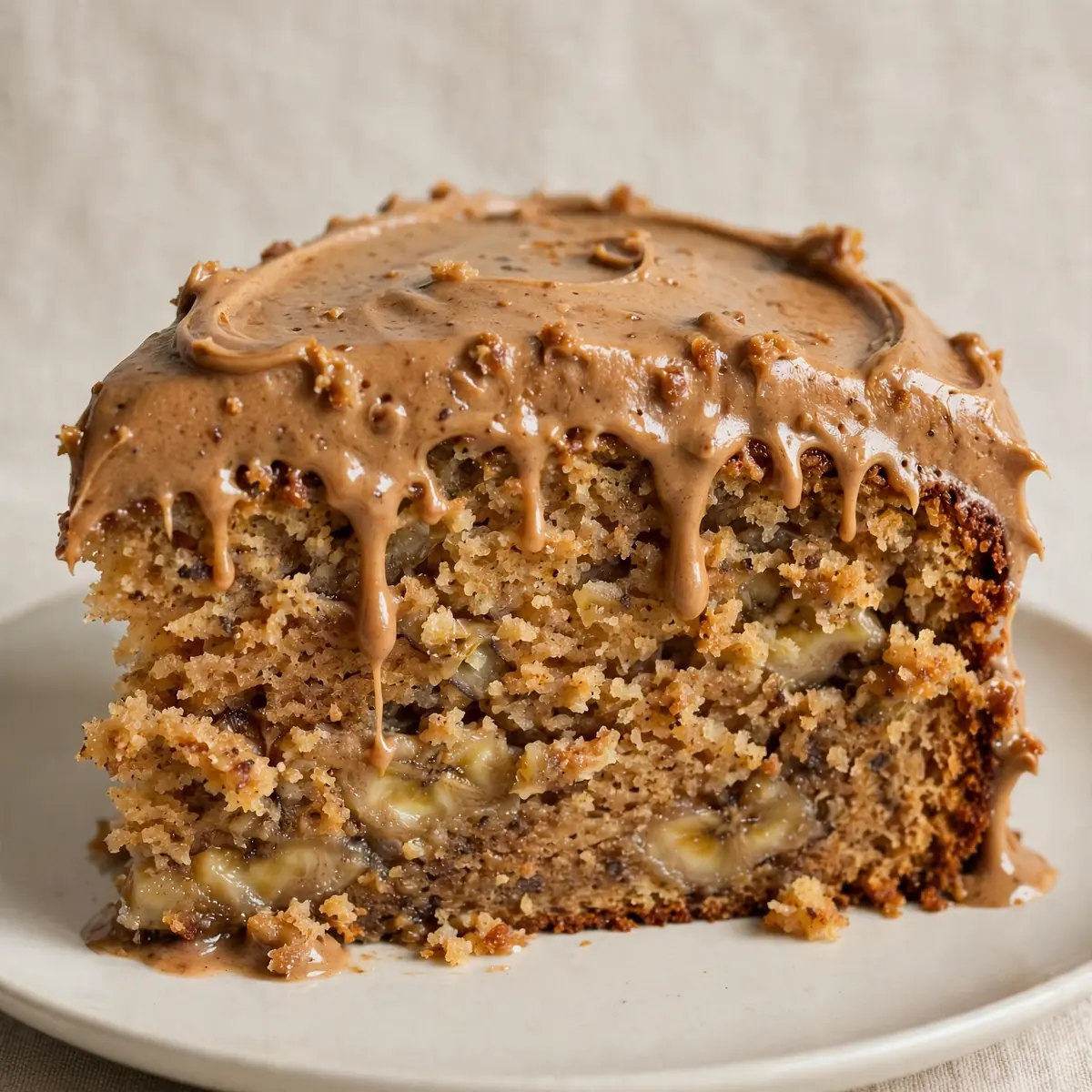
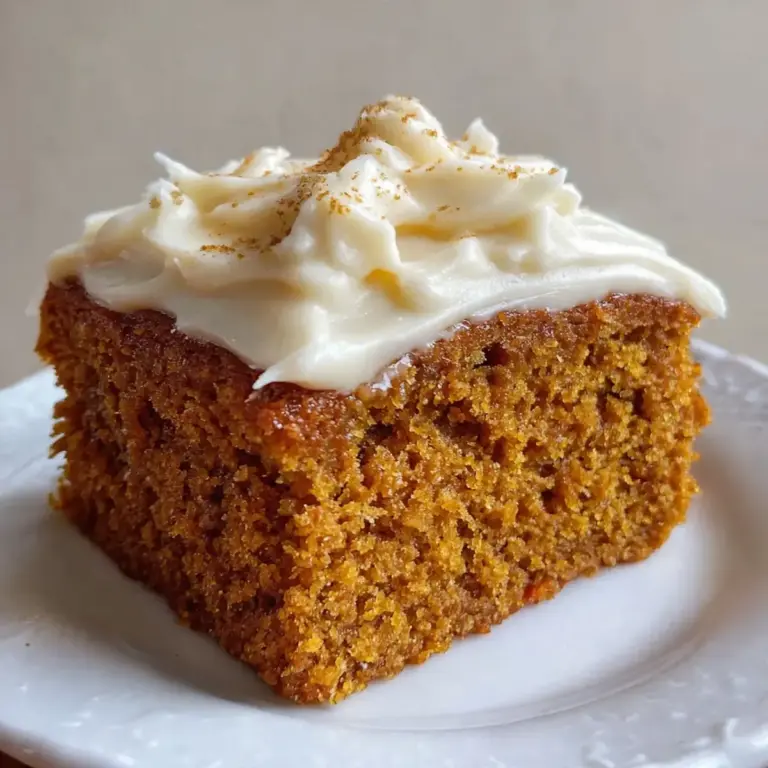
There’s a moment when you bring a cake to the table, and the conversation pauses. That’s the kind of reaction this Moist Banana Cake with Brown Butter Frosting inspires. It looks like it came from a pastry kitchen, yet it’s entirely achievable in a home oven, and the secret lies in a few deliberate choices about texture, temperature, and the way you finish each slice.
Recipe Overview
- Prep Time: 25 minutes
- Cook Time: 45–50 minutes
- Total Time: 1 hour 15 minutes (plus cooling)
- Servings: 10–12 generous slices
- Difficulty: Moderate
Why You’ll Love This Moist Banana Cake with Brown Butter Frosting
- Restaurant-quality finish at home: The brown butter frosting pipes beautifully and sets with a glossy, professional sheen that makes any slice look plated by a chef.
- Deep, layered flavour: Browning the butter adds a nutty, toffee-like note that elevates simple banana cake into something complex and memorable.
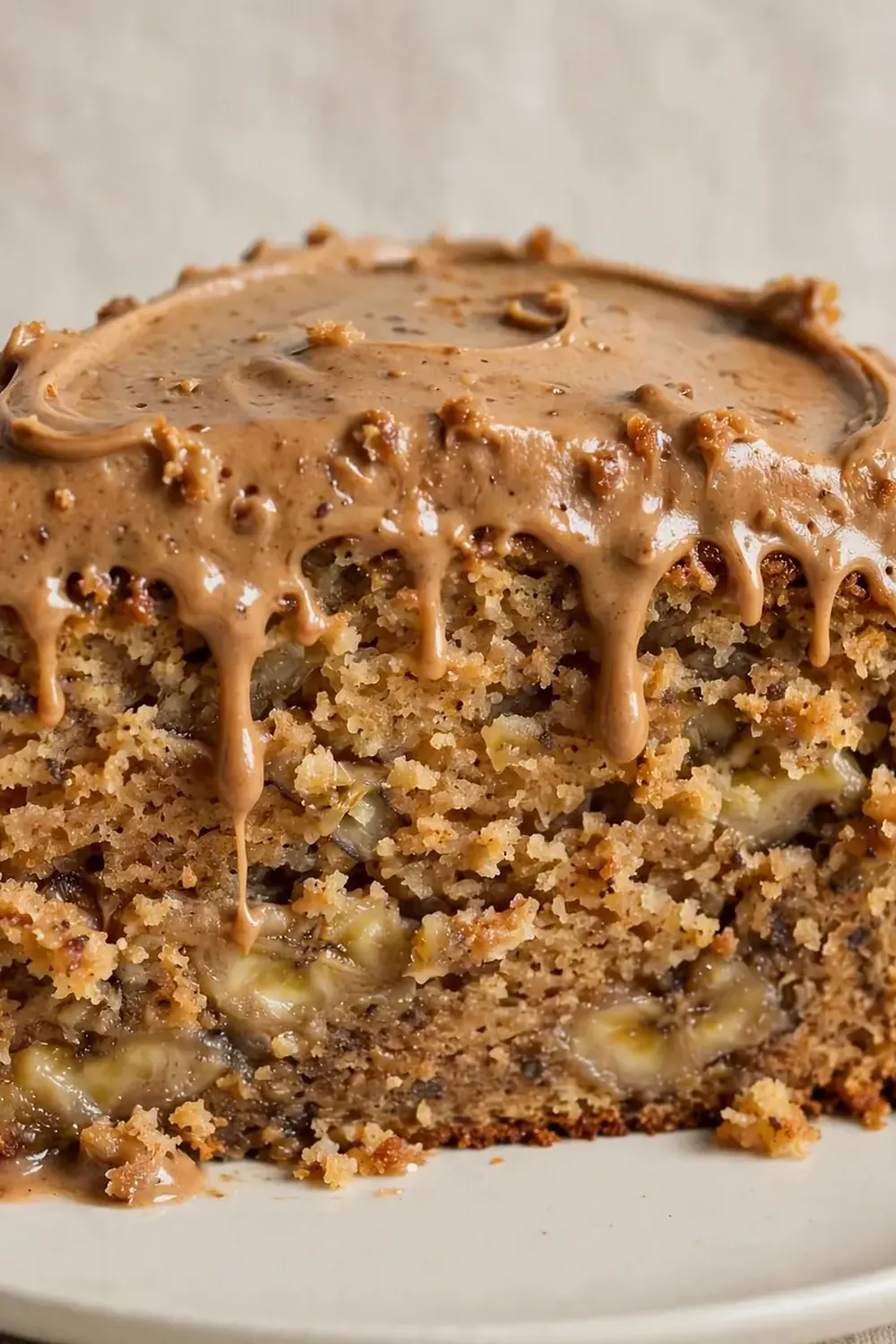
- Incredibly tender crumb: Using very ripe bananas and a specific mixing method ensures the cake stays moist for days without becoming dense or sticky.
- Impressive without fussy techniques: There’s no need for complicated layering or fondant — just a steady hand with a piping bag and a few thoughtful garnishes.
- Friends always ask me for this recipe after trying it at dinner parties. I’ve lost count of how many times I’ve texted it to someone the morning after a gathering.
Ingredients You’ll Need
- 250g unsalted butter, softened (plus extra for greasing)
- 200g caster sugar
- 100g light brown sugar, packed
- 3 large eggs, at room temperature
- 1 teaspoon vanilla extract
- 300g very ripe bananas (about 3 medium), mashed until smooth
- 240g plain flour
- 1½ teaspoons bicarbonate of soda
- ½ teaspoon salt
- 1 teaspoon ground cinnamon
- 120ml buttermilk, at room temperature
- For the Brown Butter Frosting:
- 150g unsalted butter
- 300g icing sugar, sifted
- 2 tablespoons milk (or single cream for extra richness)
- ½ teaspoon vanilla extract
- Flaky sea salt, for finishing
Tip: If you don’t have buttermilk, stir 1 tablespoon of lemon juice into 120ml whole milk and let it sit for 5 minutes. It will thicken and curdle slightly — that’s exactly what you want for a tender crumb.
How to Make Moist Banana Cake with Brown Butter Frosting
- Preheat and prepare: Preheat your oven to 180°C (160°C fan). Grease and line a 23cm round cake tin with baking parchment. The paper should come about 3cm above the rim — this helps the cake rise evenly without spilling.
- Brown the butter for the frosting: In a small saucepan over medium heat, melt the 150g butter. Swirl the pan occasionally. You’ll hear it crackle and sizzle — that’s the water evaporating. After 4–5 minutes, the butter will turn a deep amber colour and smell intensely nutty. The moment you see golden-brown specks forming at the bottom, pour it into a heatproof bowl to stop the cooking. Let it cool to room temperature — about 20 minutes. Do not skip this step; hot butter will melt your icing sugar into a puddle.
- Mix the dry ingredients: In a medium bowl, whisk together the flour, bicarbonate of soda, salt, and cinnamon. Set aside.
- Cream the butter and sugars: In a large bowl, beat the 250g softened butter with the caster and brown sugars using an electric mixer on medium speed. Beat for 3–4 minutes until the mixture is pale, fluffy, and looks like thick sand. It should feel light when you lift the beater.
- Add eggs and banana: Add the eggs one at a time, beating well after each. The mixture may look slightly curdled — that’s fine. Stir in the vanilla extract, then fold in the mashed bananas. The batter will look speckled and loose; this is the mark of a moist cake.
- Alternate dry and wet: With the mixer on low, add one-third of the flour mixture, then half the buttermilk, then another third of flour, the remaining buttermilk, and finish with the last of the flour. Mix only until each addition disappears. Stop the moment the last streak of flour vanishes — overmixing will make the cake tough. The final batter should be thick, glossy, and drop reluctantly from a spoon.
- Bake: Scrape the batter into the prepared tin and smooth the top. Bake for 45–50 minutes. At 40 minutes, check: the cake should be deep golden brown, and a skewer inserted into the centre should come out clean or with a few moist crumbs. If the top is browning too fast, loosely cover with foil for the last 10 minutes. Let the cake cool in the tin for 10 minutes, then turn out onto a wire rack to cool completely — at least 1 hour.
- Make the frosting: Once the browned butter is cool but still liquid, beat it with the sifted icing sugar using an electric mixer. Start on low to avoid a sugar cloud, then increase to medium. Add the milk and vanilla, and beat for 2–3 minutes until the frosting is smooth, thick, and holds a soft peak. If it’s too stiff, add a teaspoon more milk; if too runny, add a tablespoon more icing sugar.
- Assemble and present: Place the cooled cake on a serving plate. Using a palette knife, spread a thin layer of frosting over the top and sides to seal in crumbs (a crumb coat). Refrigerate for 15 minutes. Then apply the remaining frosting in swirls, waves, or a smooth finish. For a restaurant look, use a piping bag fitted with a large star nozzle to pipe rosettes around the top edge. Sprinkle flaky sea salt over the frosting just before serving.
Tips From My Kitchen
- Use bananas that are almost black: The darker the skin, the sweeter and more fragrant the flesh. Green or yellow bananas lack the sugar content needed for a moist cake and will leave you with a dense, bland crumb. I used to struggle with this dish until I discovered this technique — now I keep a stash of overripe bananas in the freezer specifically for this cake.
- Brown the butter with patience: The transformation from golden to burnt happens in seconds. Keep the heat medium and watch the colour, not the clock. Swirl the pan constantly. When you see brown specks and smell a nutty aroma, pull it off immediately. Pour it into a cool bowl so it stops cooking.
- Room temperature ingredients are non-negotiable: Cold eggs or buttermilk will seize the butter, making the batter curdle and the cake dense. Take everything out of the fridge 30 minutes before you start. If you forget, place the eggs in a bowl of warm water for 5 minutes.
- Weigh your bananas after mashing: A recipe that says “3 bananas” can vary wildly. Mash them in a bowl and weigh out 300g. This ensures the right moisture balance every time. Too much banana and the cake sinks; too little and it’s dry.
- Pipe the frosting for a polished edge: A simple star nozzle and a steady hand turn a home-baked cake into something that looks like it came from a patisserie. If piping isn’t your skill, use a palette knife to create dramatic swoops and peaks — the flaky salt will catch the light and add visual interest.
- Let the cake rest overnight for deeper flavour: If you can, bake the cake a day ahead. Wrap it tightly in cling film once cool and store at room temperature. The flavours meld and the crumb becomes even more tender. Frost it the next day just before serving.
Common Mistakes to Avoid
- Overcrowding the pan: Using a tin that’s too small will cause the batter to dome and crack, and the centre may remain undercooked. Stick to a 23cm round tin. If you only have a smaller tin, fill it no more than two-thirds full and bake any extra batter as cupcakes.
- Wrong temperature: An oven that runs hot will brown the outside before the inside is cooked. Use an oven thermometer if you’re unsure. Baking at 180°C (160°C fan) is the sweet spot — any higher and the crust burns; any lower and the cake takes too long and dries out.
- Skipping the rest time: Cutting into a warm cake is tempting, but the crumb will be gummy and the frosting will slide right off. Let the cake cool completely on a wire rack — at least one hour. For the frosting, wait until the browned butter is fully cooled but still liquid, or the frosting will separate.
What to Serve With Moist Banana Cake with Brown Butter Frosting
- A dollop of lightly whipped double cream, barely sweetened, to cut through the richness.
- A small scoop of vanilla bean ice cream — the cold contrast makes the brown butter notes sing.
- Fresh berries, such as raspberries or sliced strawberries, scattered on the plate for acidity and colour.
- A drizzle of salted caramel sauce over each slice for an extra layer of indulgence.
- A cup of strong black coffee or a pot of Earl Grey tea to balance the sweetness.
Still hungry for ideas? You might also love French Butter Cake, Moist Zucchini Chocolate Chip Cake from our sister kitchens.
Frequently Asked Questions
Moist Banana Cake with Brown Butter Frosting
Ingredients
Method
- Preheat and prepare: Preheat your oven to 180°C (160°C fan). Grease and line a 23cm round cake tin with baking parchment. The paper should come about 3cm above the rim — this helps the cake rise evenly without spilling.
- Brown the butter for the frosting: In a small saucepan over medium heat, melt the 150g butter. Swirl the pan occasionally. You’ll hear it crackle and sizzle — that’s the water evaporating. After 4–5 minutes, the butter will turn a deep amber colour and smell intensely nutty. The moment you see golden-brown specks forming at the bottom, pour it into a heatproof bowl to stop the cooking. Let it cool to room temperature — about 20 minutes. Do not skip this step; hot butter will melt your icing sugar into a puddle.
- Mix the dry ingredients: In a medium bowl, whisk together the flour, bicarbonate of soda, salt, and cinnamon. Set aside.
- Cream the butter and sugars: In a large bowl, beat the 250g softened butter with the caster and brown sugars using an electric mixer on medium speed. Beat for 3–4 minutes until the mixture is pale, fluffy, and looks like thick sand. It should feel light when you lift the beater.
- Add eggs and banana: Add the eggs one at a time, beating well after each. The mixture may look slightly curdled — that’s fine. Stir in the vanilla extract, then fold in the mashed bananas. The batter will look speckled and loose; this is the mark of a moist cake.
- Alternate dry and wet: With the mixer on low, add one-third of the flour mixture, then half the buttermilk, then another third of flour, the remaining buttermilk, and finish with the last of the flour. Mix only until each addition disappears. Stop the moment the last streak of flour vanishes — overmixing will make the cake tough. The final batter should be thick, glossy, and drop reluctantly from a spoon.
- Bake: Scrape the batter into the prepared tin and smooth the top. Bake for 45–50 minutes. At 40 minutes, check: the cake should be deep golden brown, and a skewer inserted into the centre should come out clean or with a few moist crumbs. If the top is browning too fast, loosely cover with foil for the last 10 minutes. Let the cake cool in the tin for 10 minutes, then turn out onto a wire rack to cool completely — at least 1 hour.
- Make the frosting: Once the browned butter is cool but still liquid, beat it with the sifted icing sugar using an electric mixer. Start on low to avoid a sugar cloud, then increase to medium. Add the milk and vanilla, and beat for 2–3 minutes until the frosting is smooth, thick, and holds a soft peak. If it’s too stiff, add a teaspoon more milk; if too runny, add a tablespoon more icing sugar.
- Assemble and present: Place the cooled cake on a serving plate. Using a palette knife, spread a thin layer of frosting over the top and sides to seal in crumbs (a crumb coat). Refrigerate for 15 minutes. Then apply the remaining frosting in swirls, waves, or a smooth finish. For a restaurant look, use a piping bag fitted with a large star nozzle to pipe rosettes around the top edge. Sprinkle flaky sea salt over the frosting just before serving.
Notes
I’d love to hear how this cake lands on your table — whether you pipe it into rosettes or swoop it into dramatic peaks, the brown butter makes every bite feel special. Drop a comment below and let me know what garnish you chose; I’m always looking for new ideas to steal for my own kitchen. And if you’re in the mood for another dessert that impresses without stress, have a look at our No Bake Mango Cheesecake or browse more ideas in our Cakes section.